On the road - Nevada
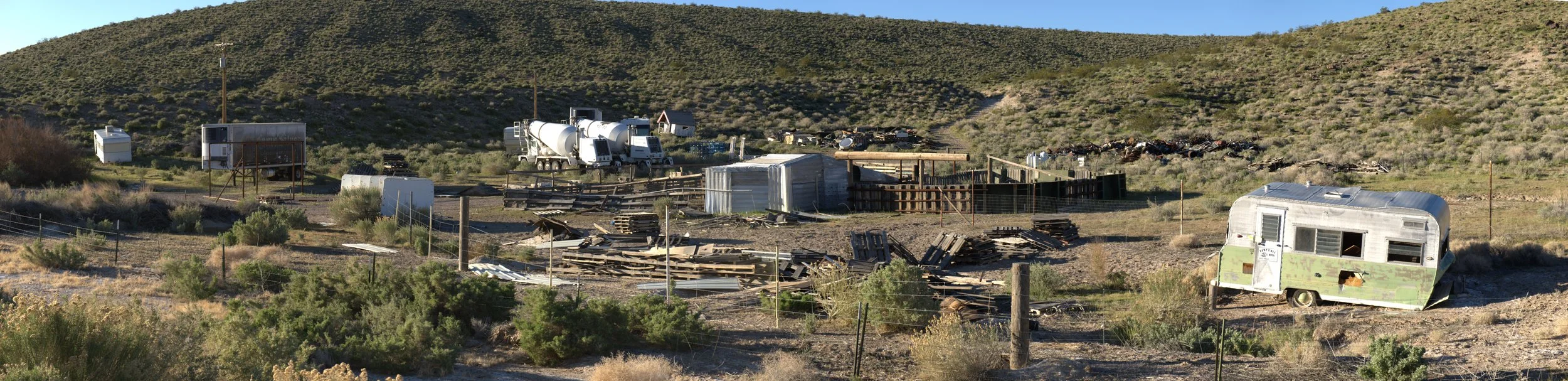
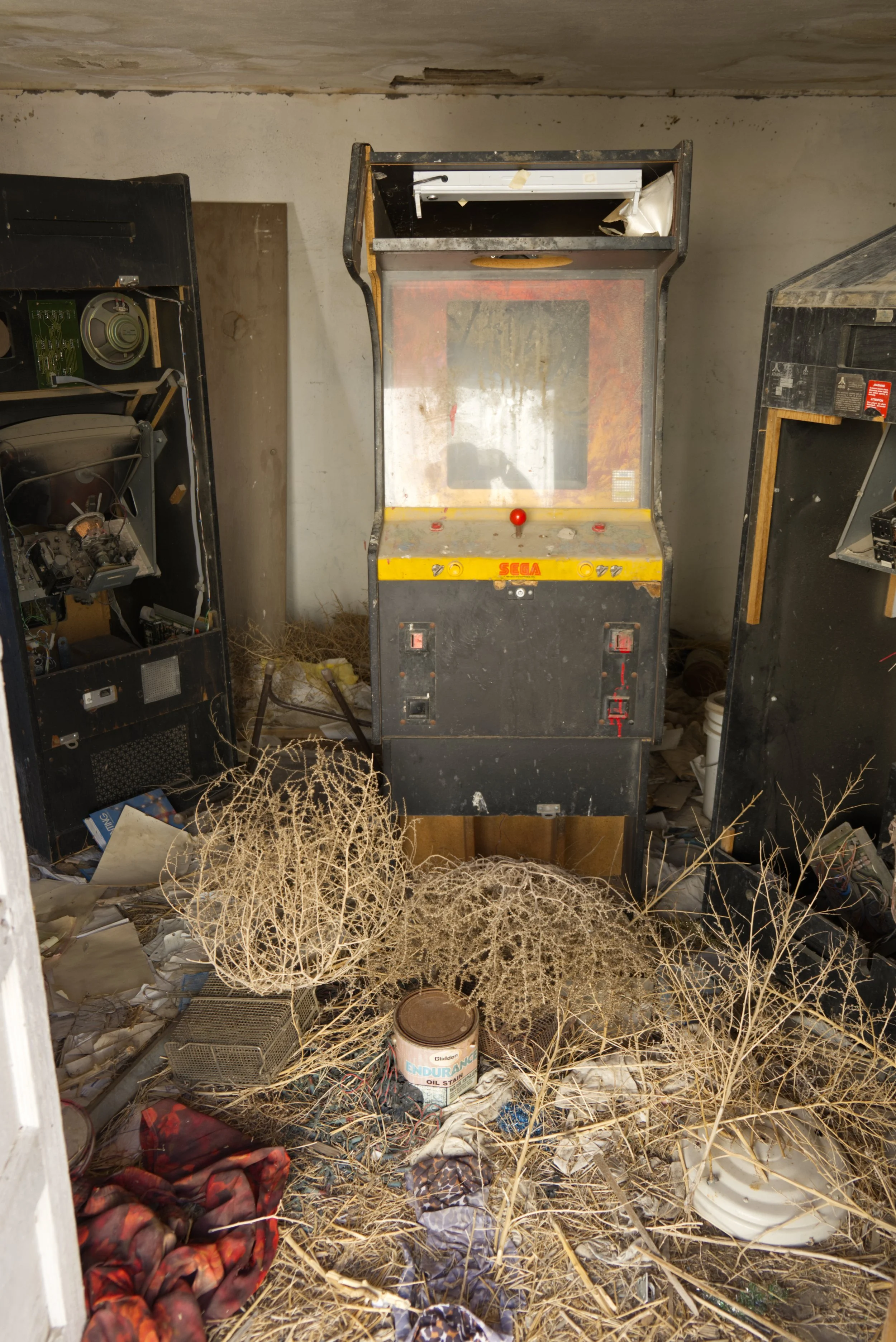
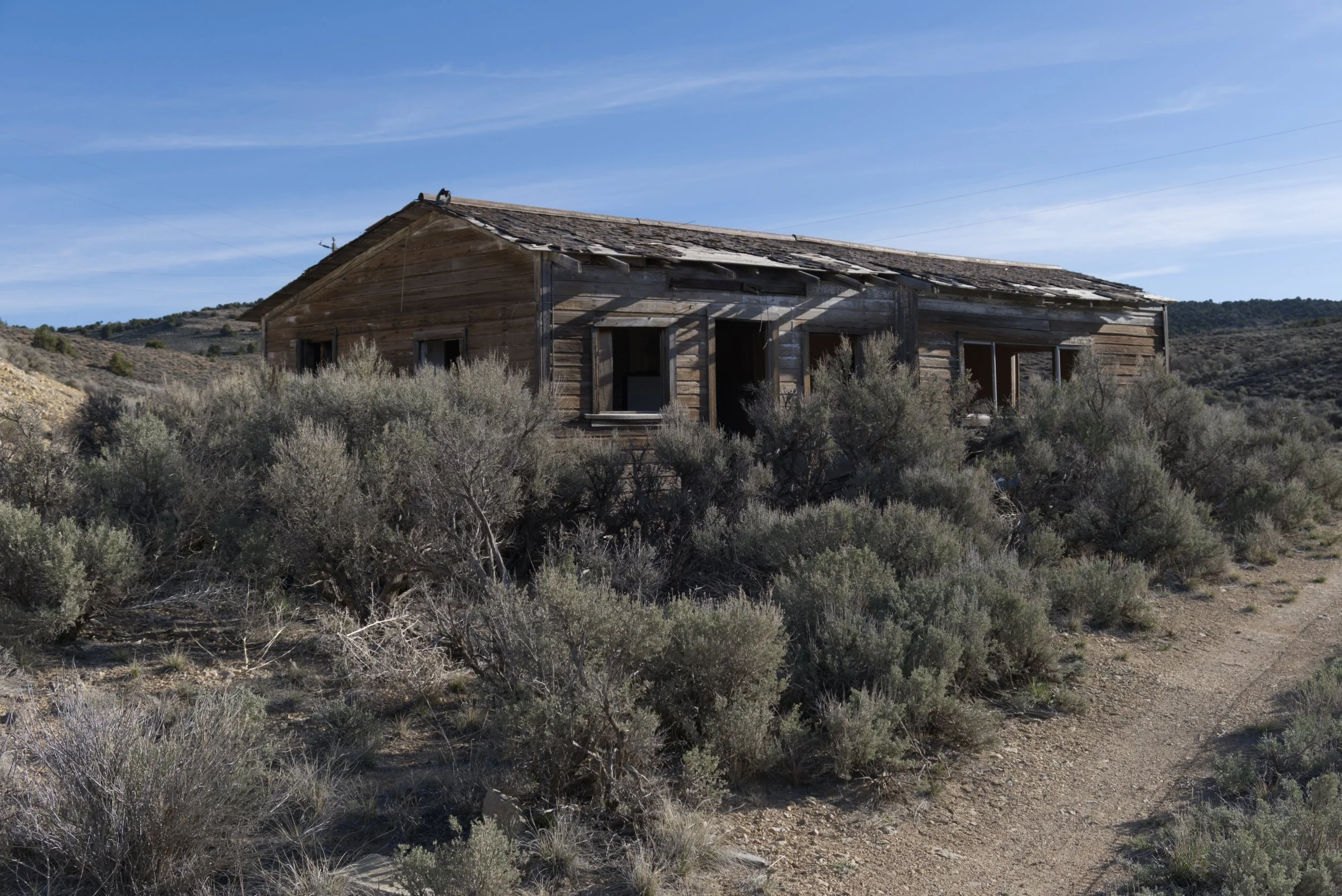
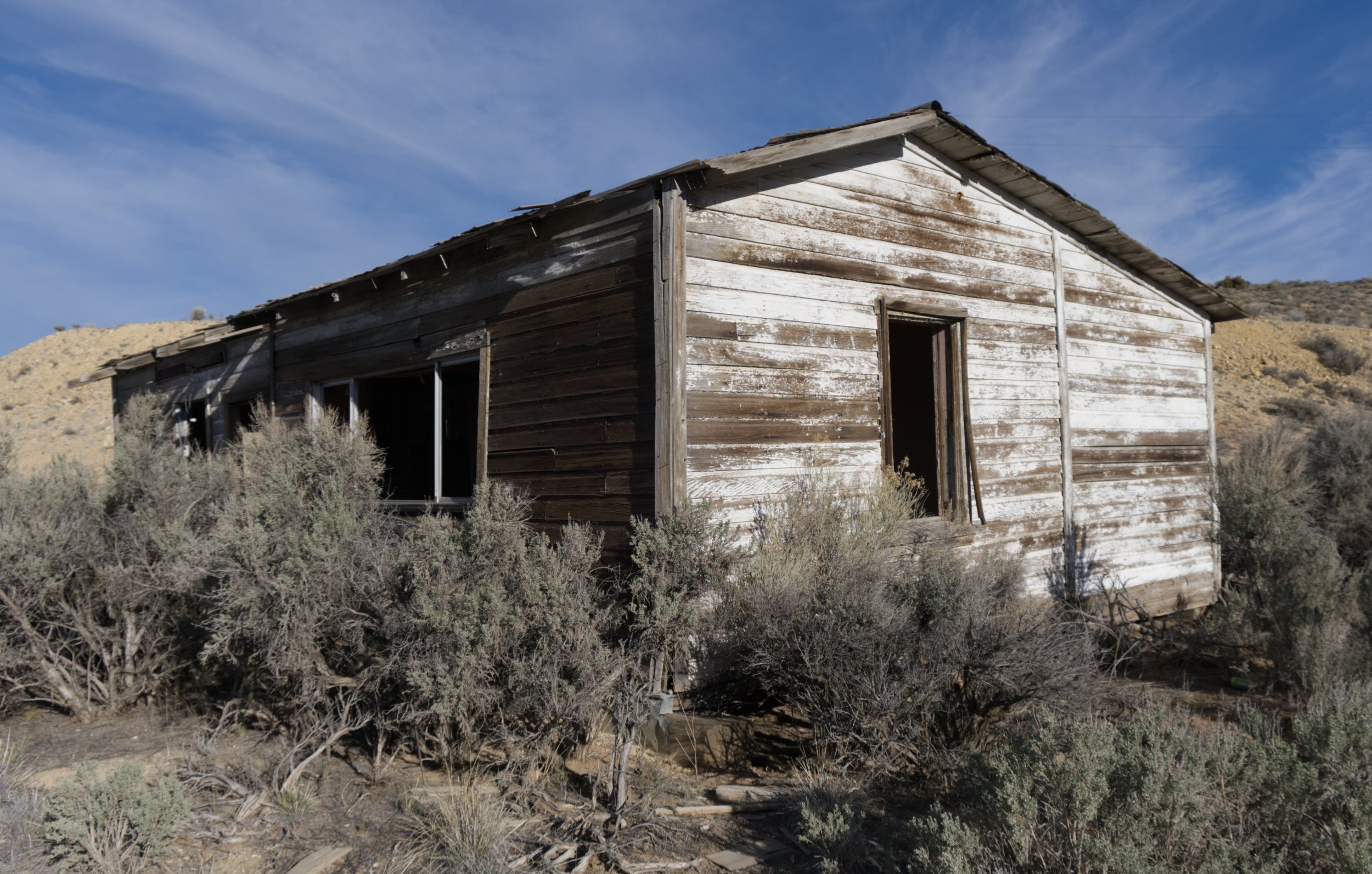
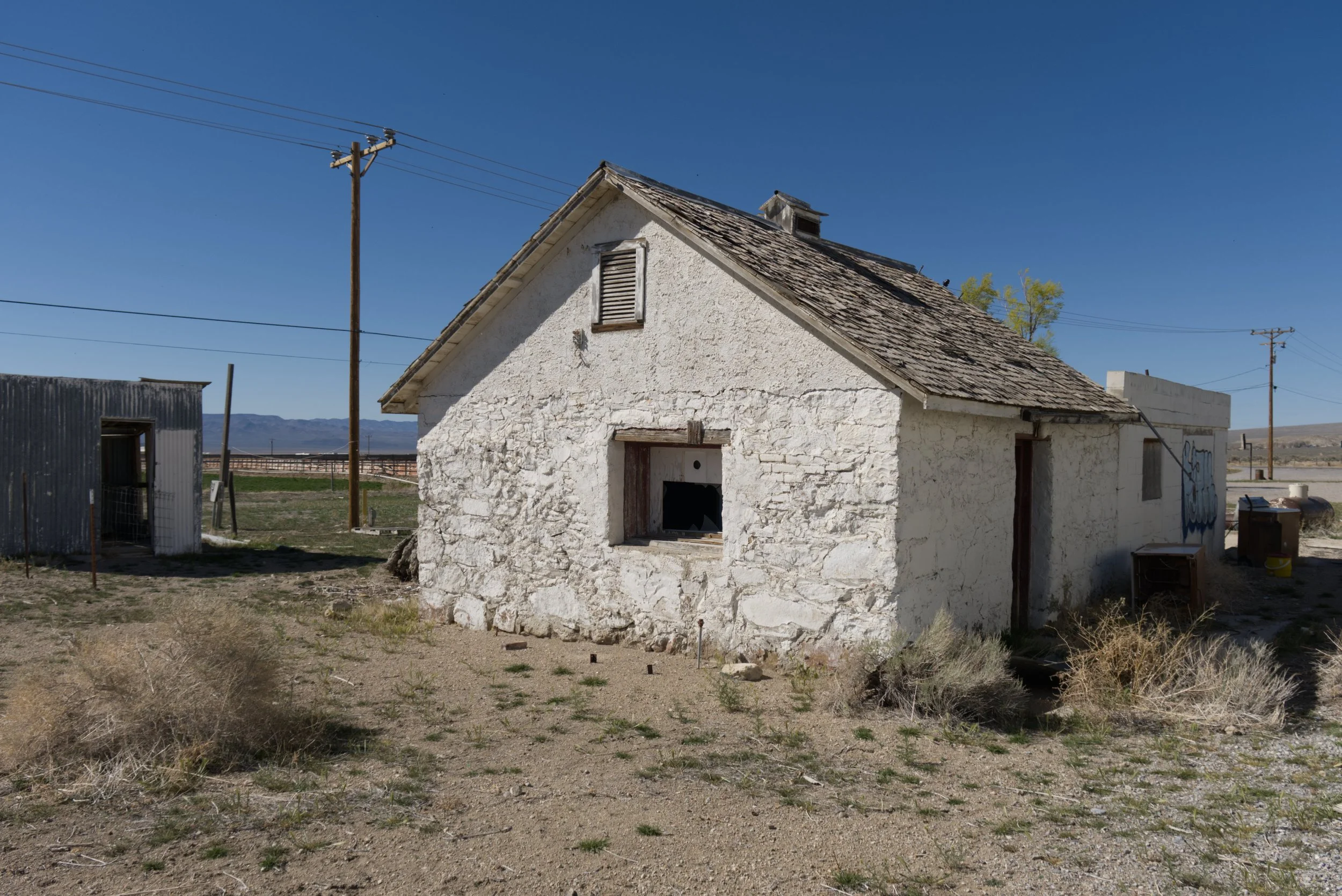
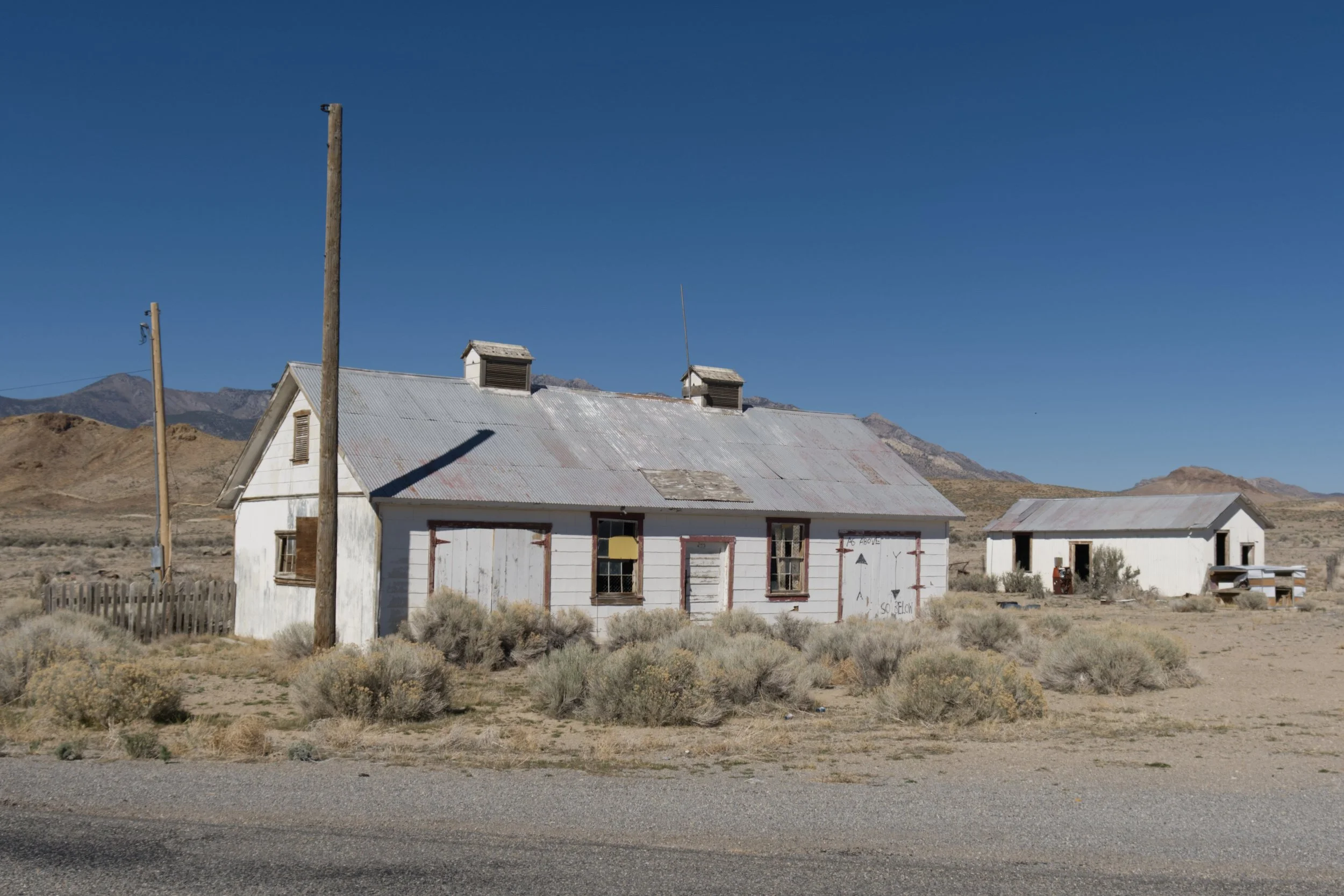
I spent a lot of time in my car; Nevada is huge. As I drove, I’d see what looked like small communities along the way, but often they were deserted or just junkyards. There’s a lot of space to fly-tip. Here are some images I took along the way.


Pioche - Nevada
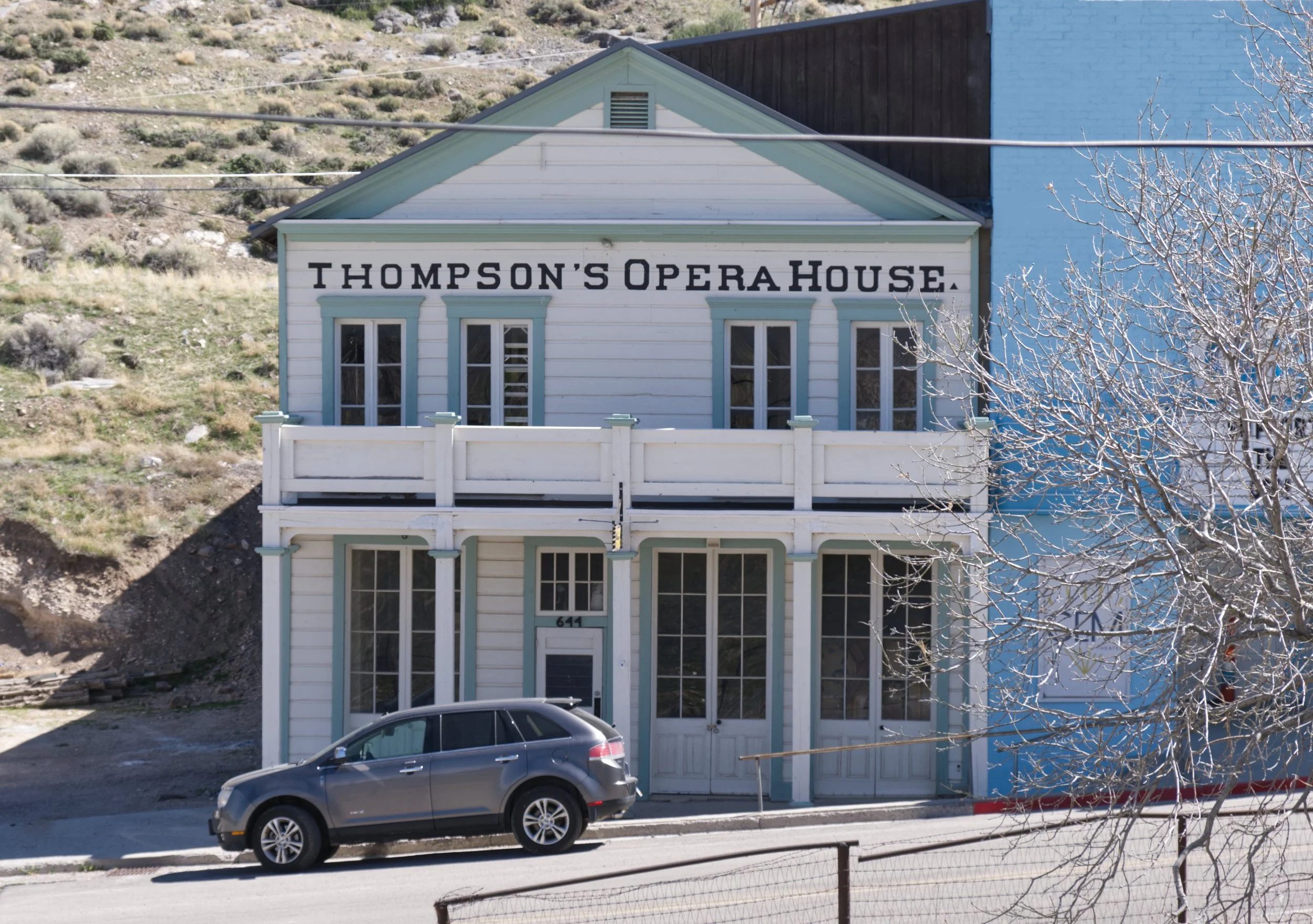
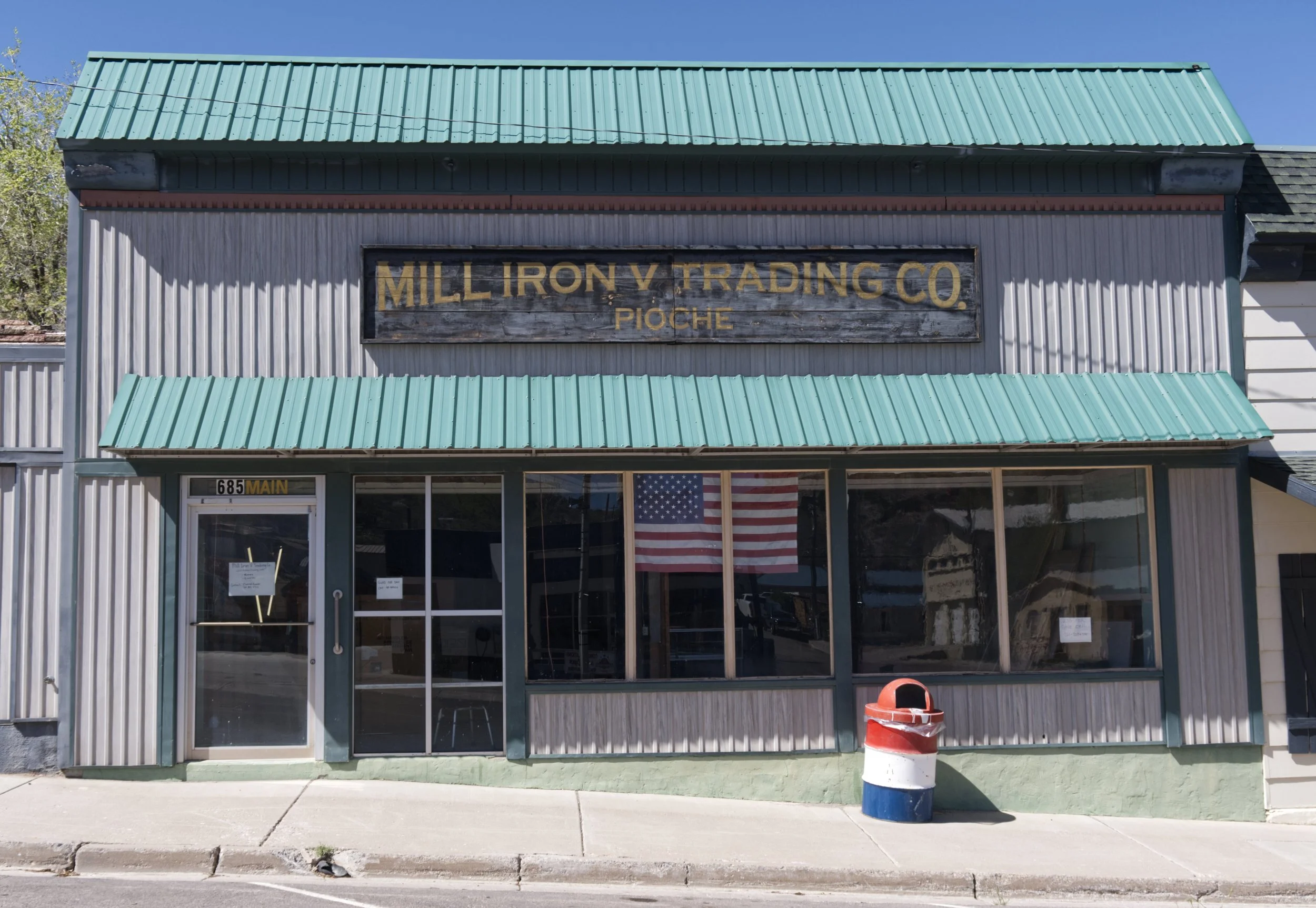
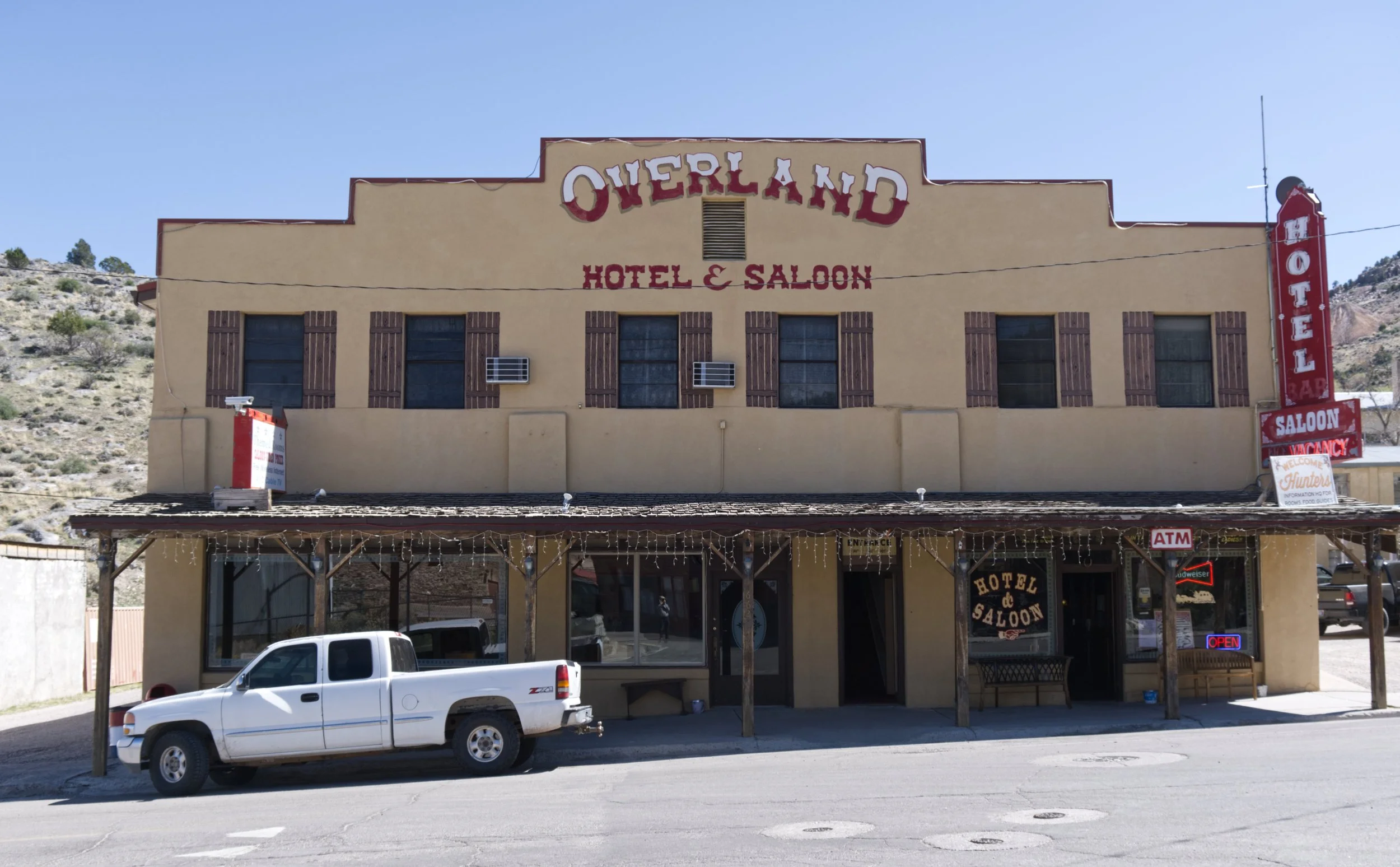
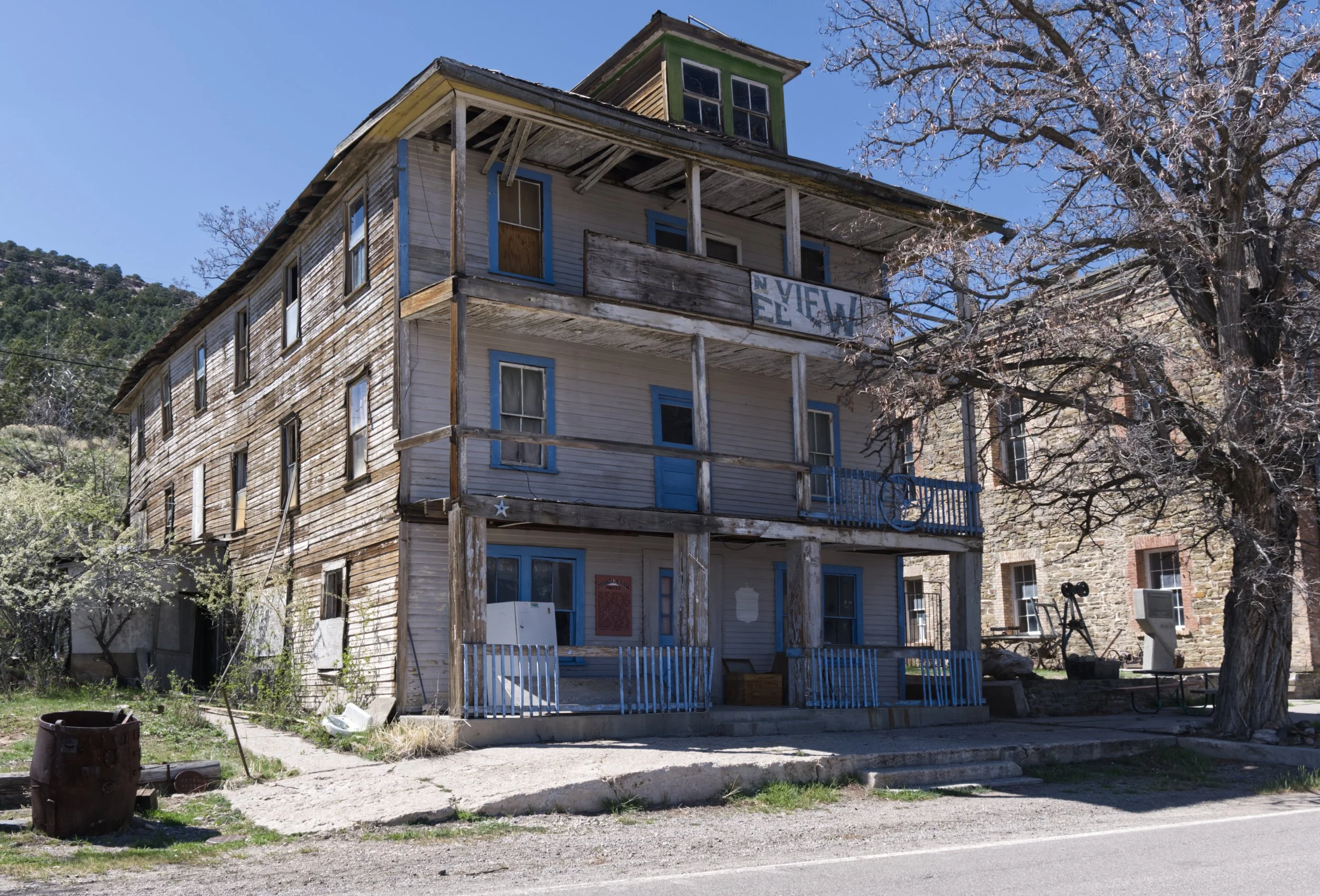
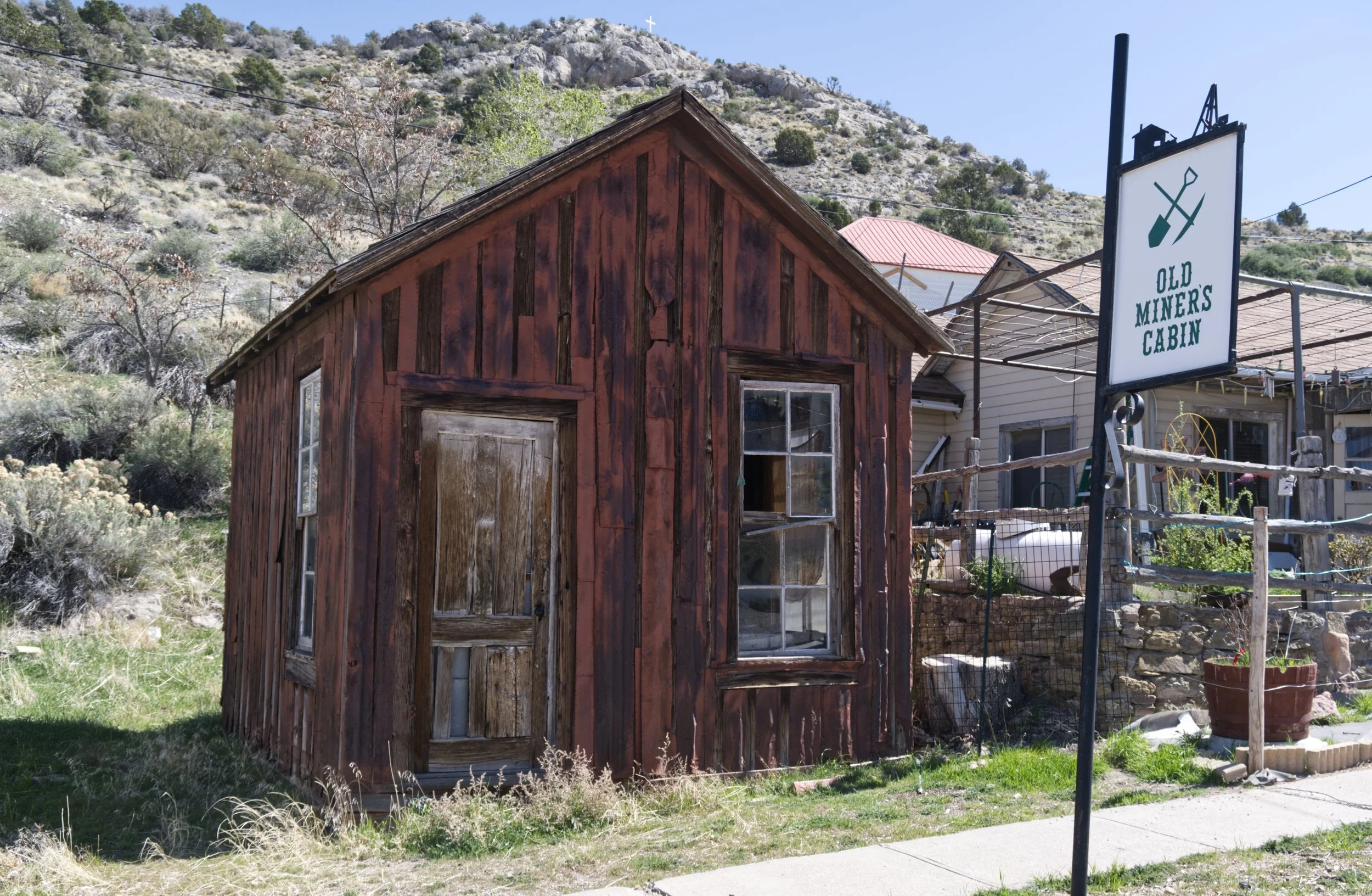
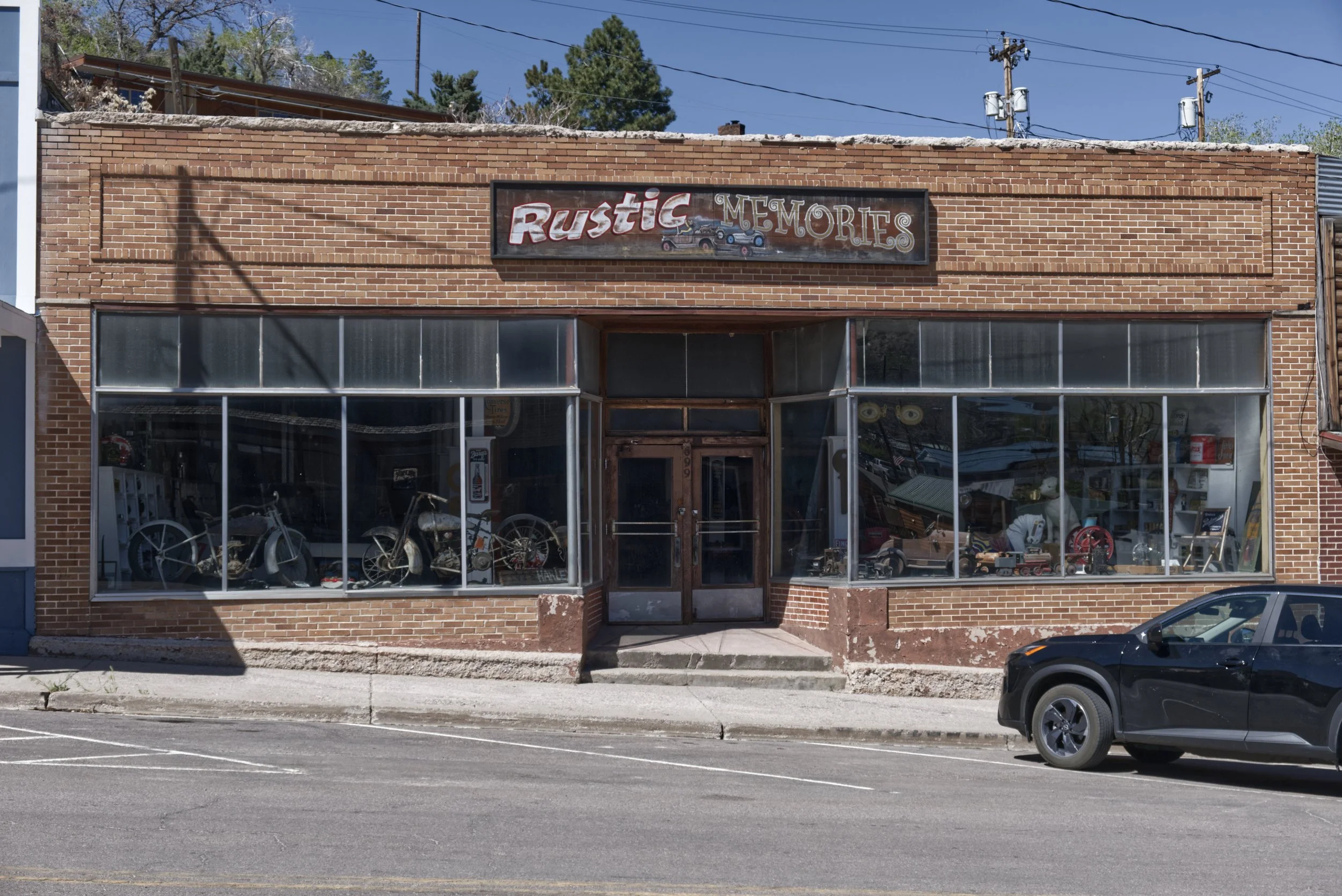
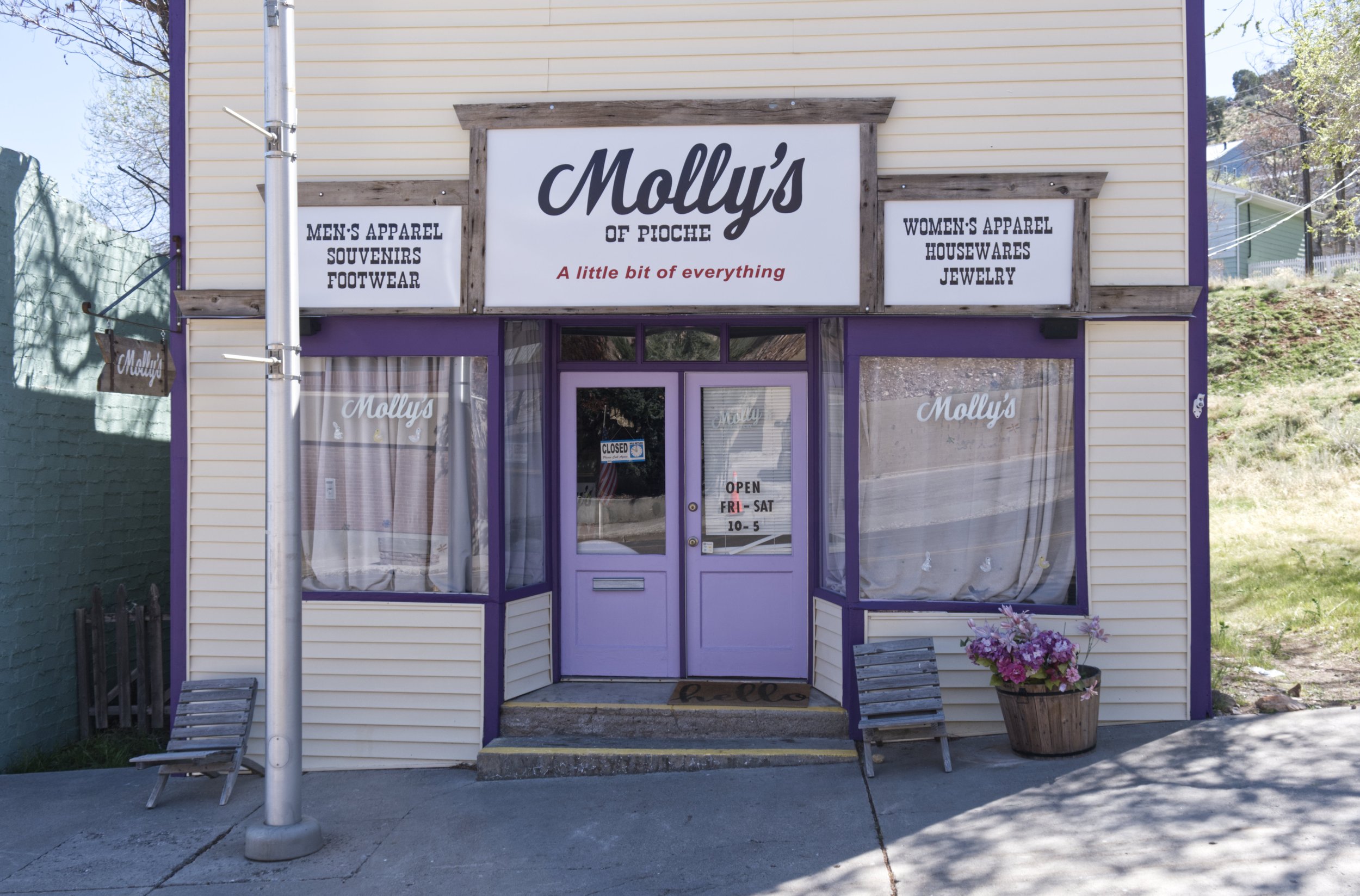
Pioche is one of the more genuinely historic mining towns in Nevada—less curated than others. It grew up when silver was discovered in the 1860s and 70s. When the remaining ore became uneconomical towards the turn of the century, Pioche declined, but didn’t die. It is often described as the roughest town in the American west; it is claimed that 72 people died violently before the first natural death. It was a bit of a free-for-all. And that included civic matters; the courthouse, originally budgeting just over 20,000 dollars, eventually cost around a million dollars due to incompetence and corruption. But now it’s a bit sleepy. It seemed like nothing much was going on. Less than 1,000 people live there now.
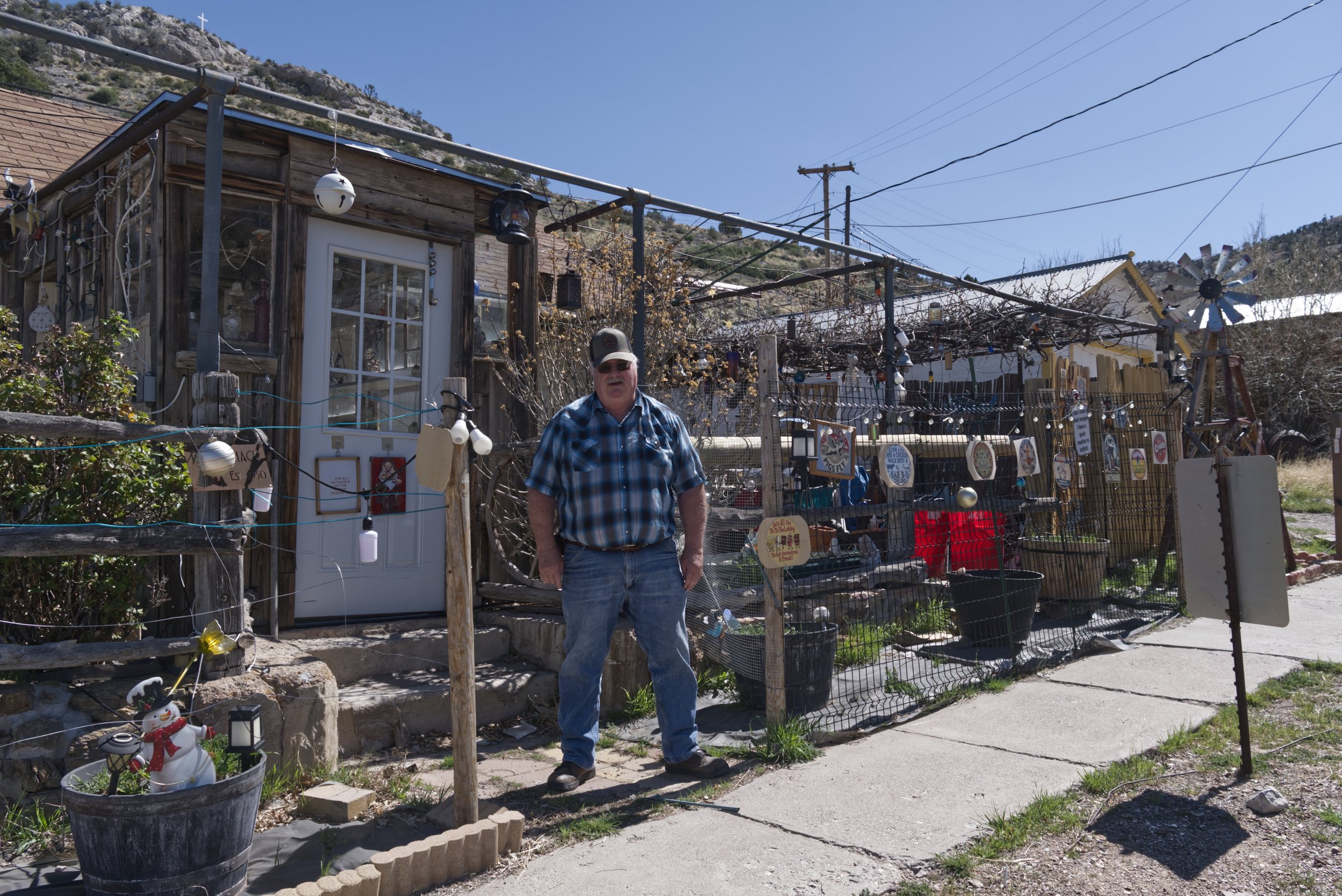
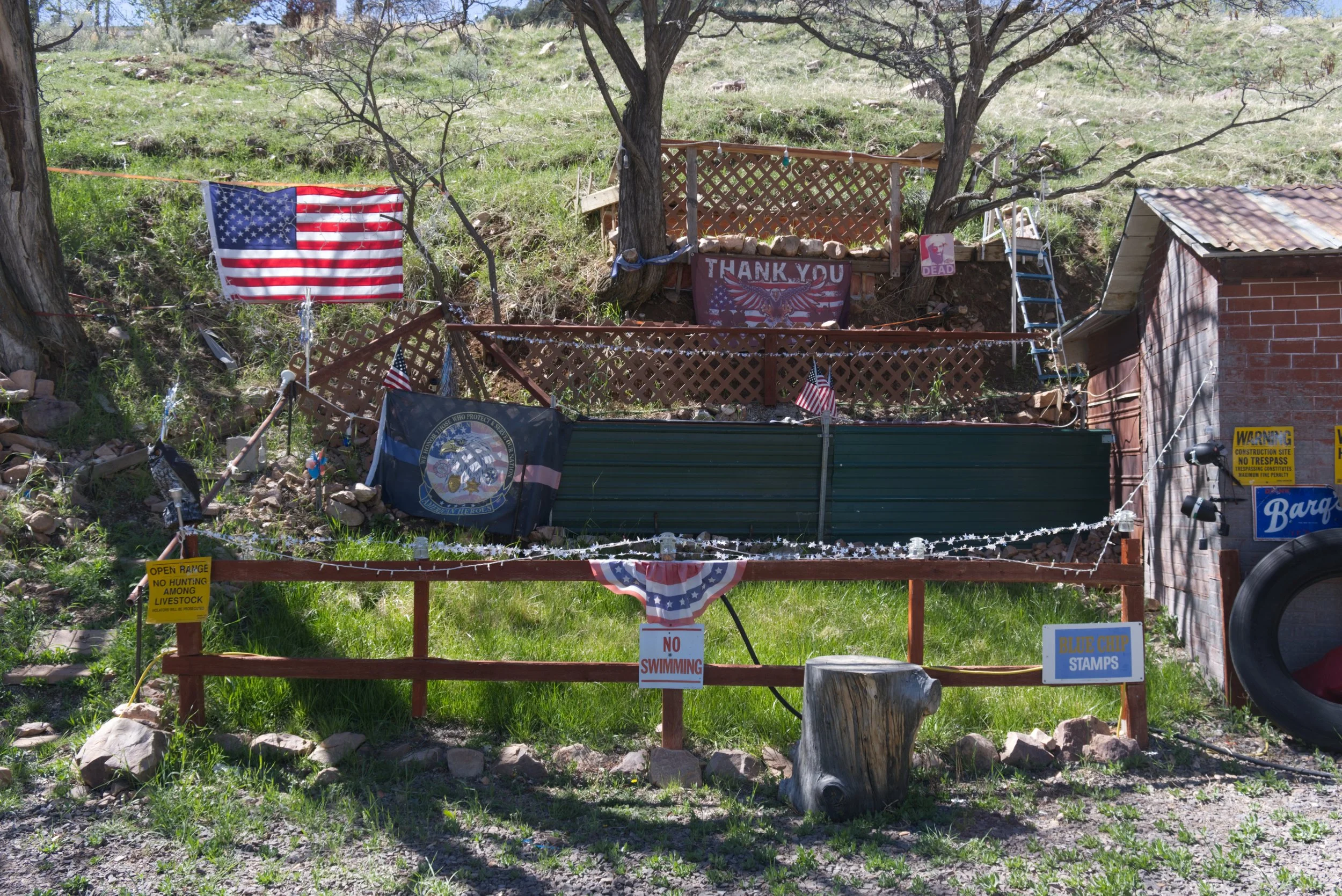
I met Dan outside his home on the main street. Like many in the old towns, he had collected what he called memories and memorabilia which he displayed out front. He’d been there, contentedly, all his life. Most people knew him, and if they didn’t a big sign outside the house made it clear - “Dan’s House”.
Pioche was the last stop before Vegas and my flight home. Common themes in these towns included US flags everywhere, collections of historical artifacts and personal memorabilia and a deep connection to the minerals that were, and sometimes still are, mined there.
Ely - Nevada
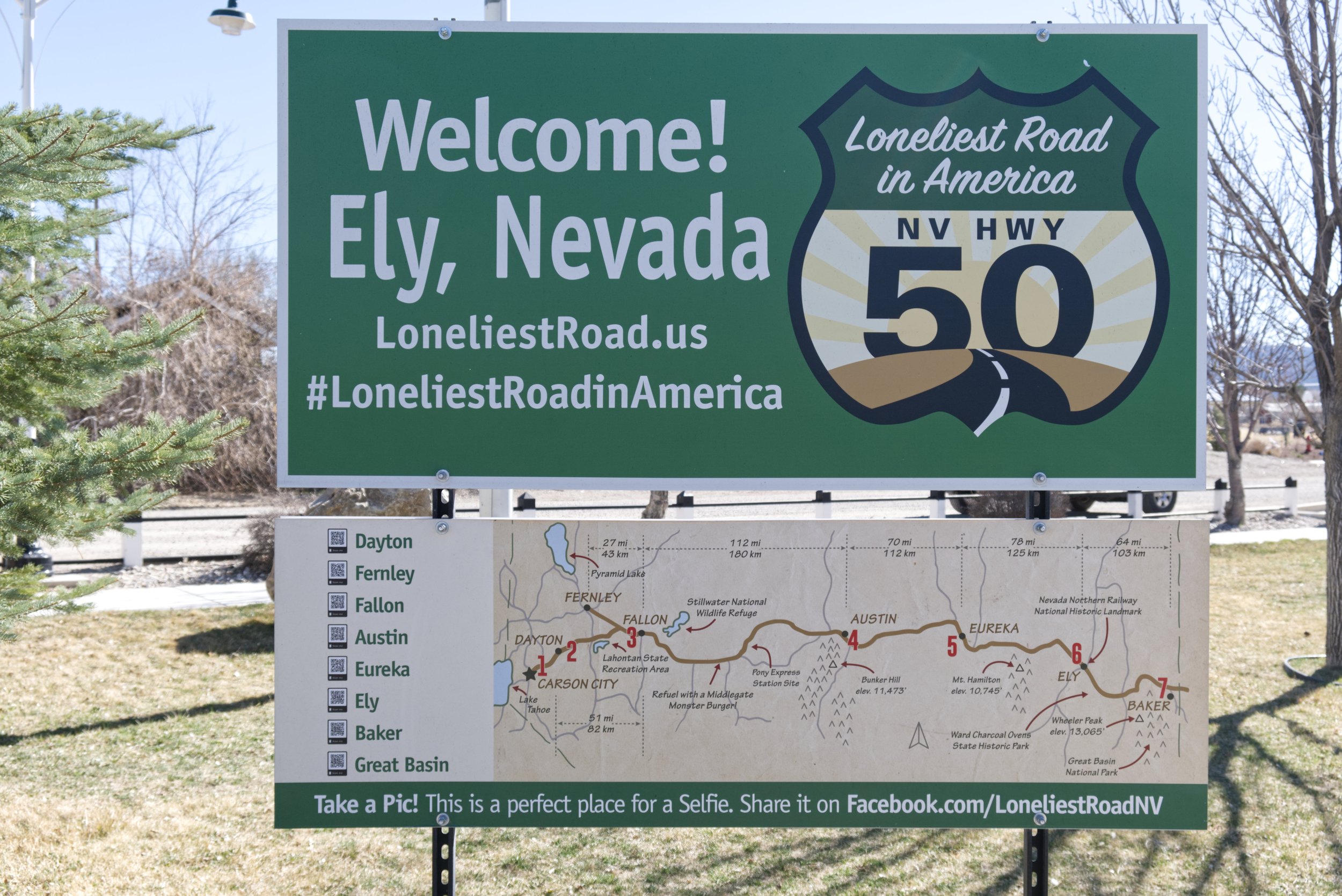
Ely lies on highway 50, known as the loneliest road in the US. I only drove part of it, and it’s a strange sensation seeing a sign saying no services for 88 miles. The longest stretch without services is actually on route 6 - more than 150 miles.
I stopped here for a couple of nights staying at the Jailhouse Casino. As with most casino motels, the food was basic and came in large portions - no nouvelle cuisine.
Ely is rightly proud of its railroad yard in which old locomotives and stock are maintained, often in working order. The public are free to wander around at will; I was just told not to fall into a maintenance pit or get run over - be sensible. I’ve never been up close with machines like these.
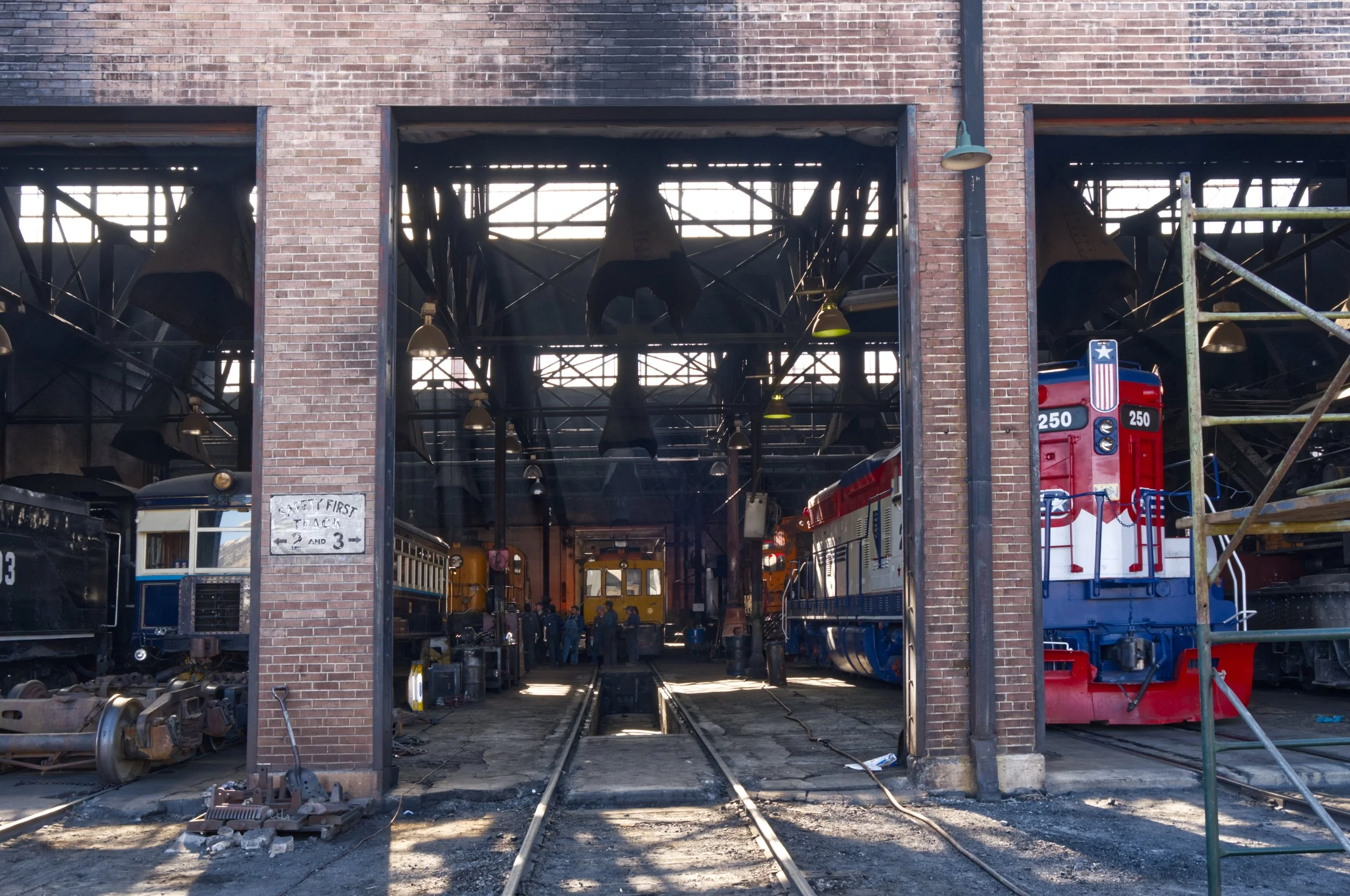
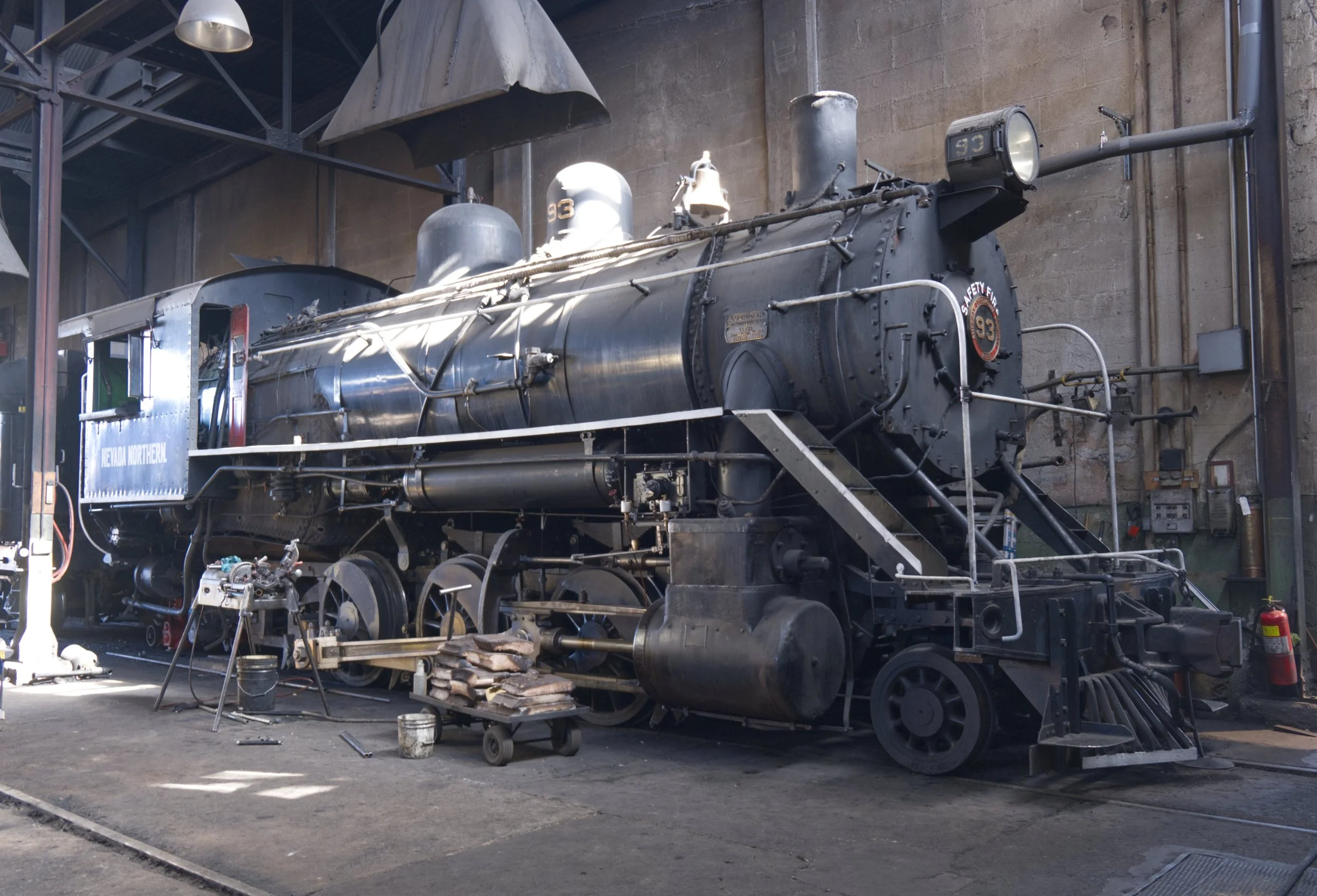
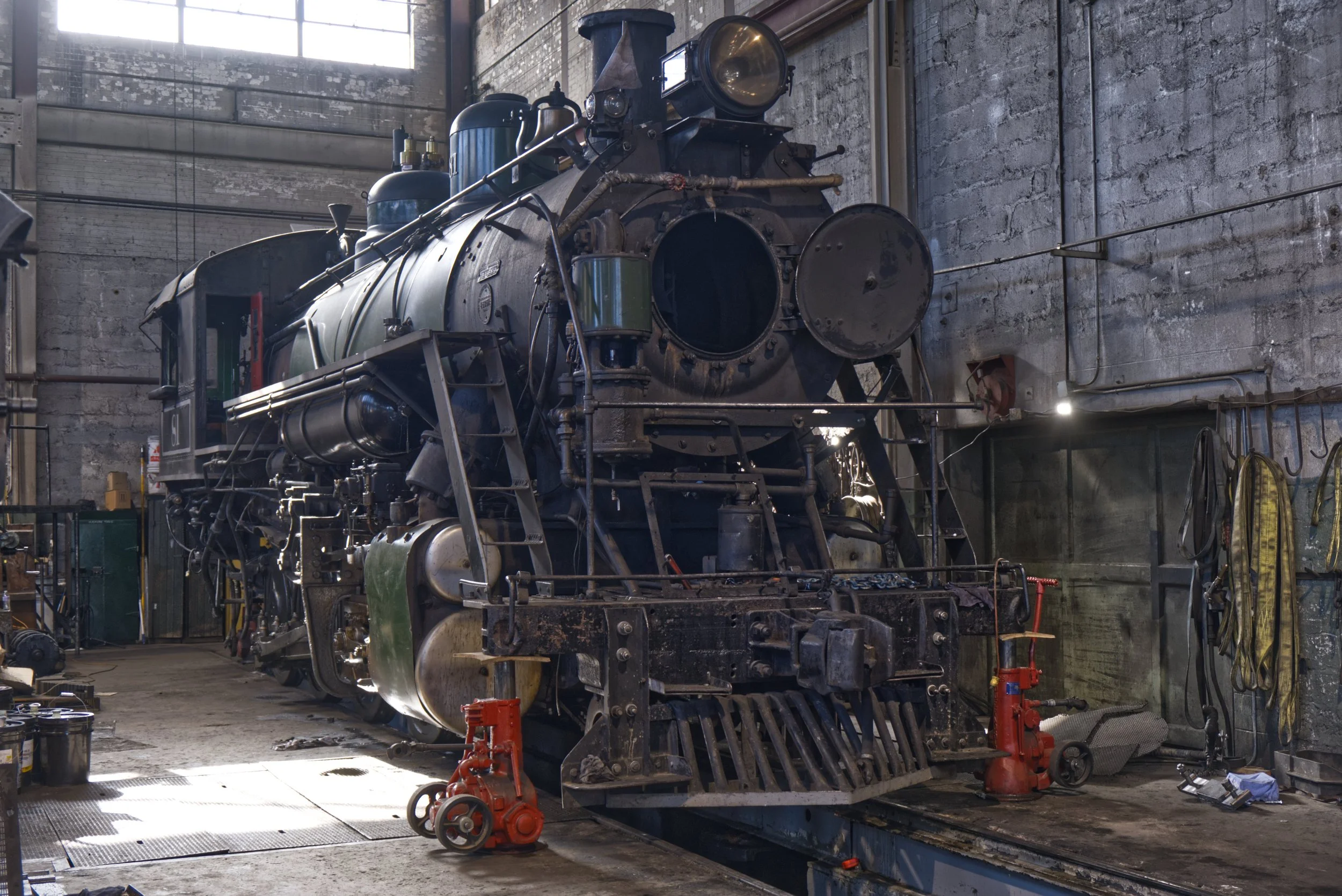
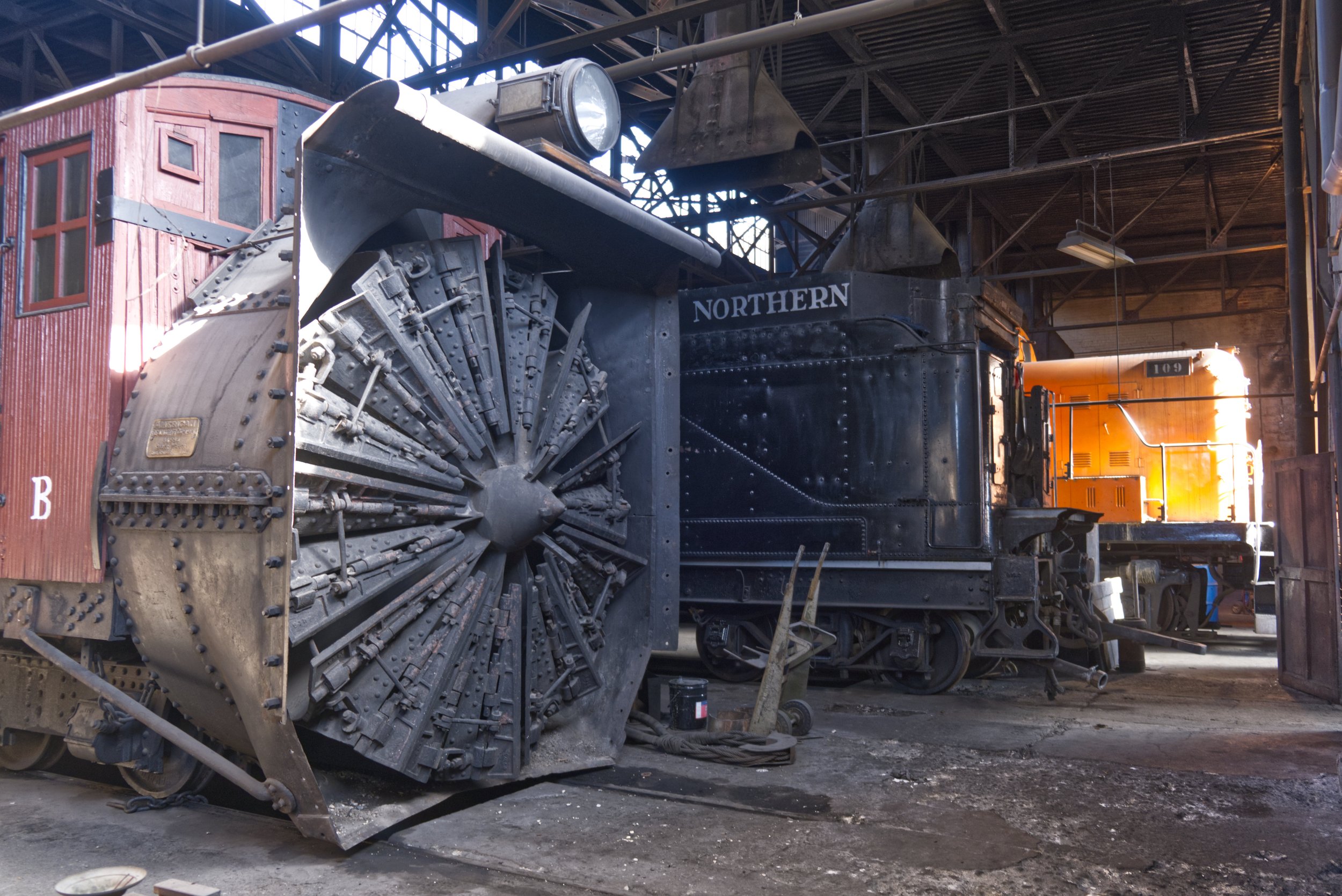
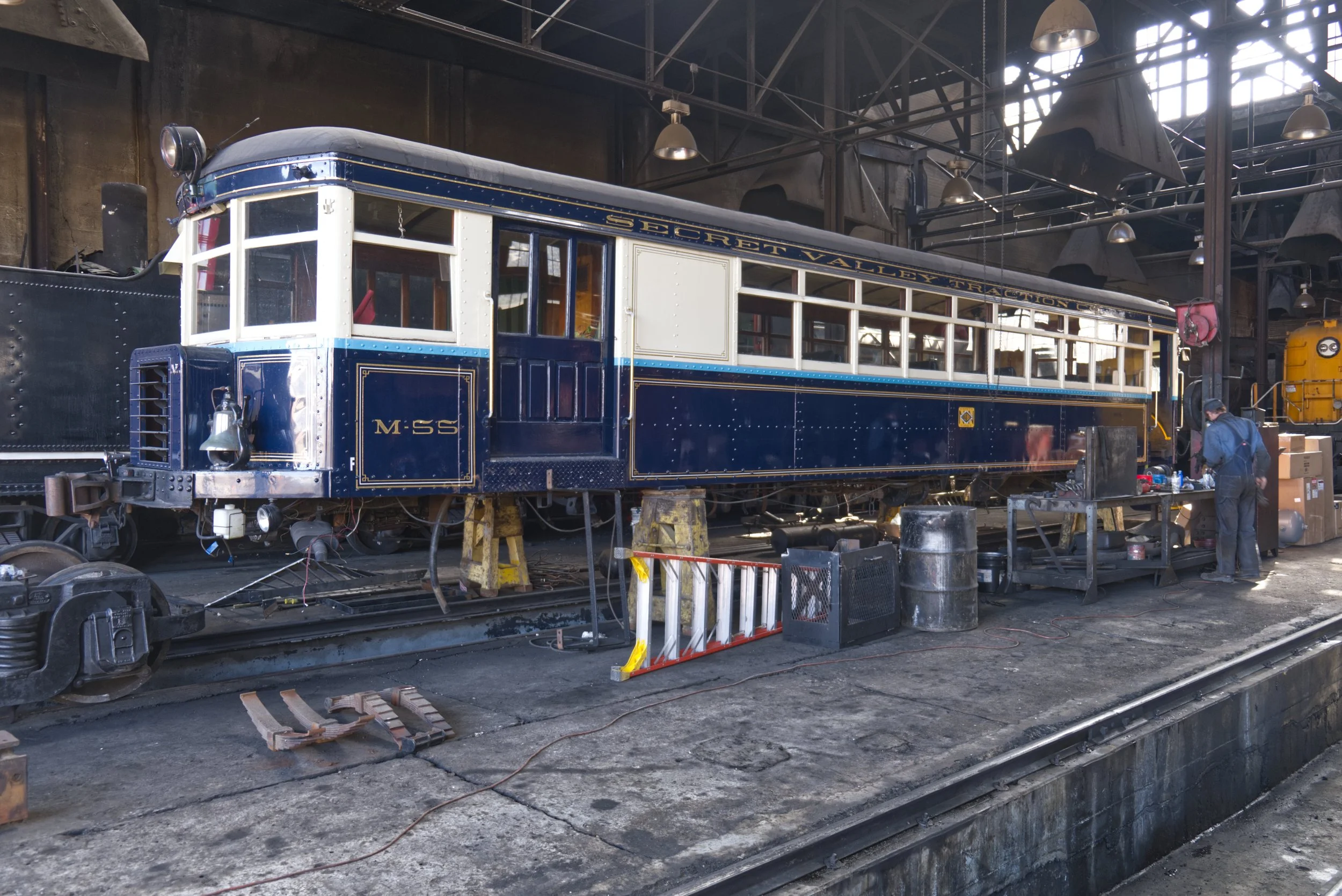
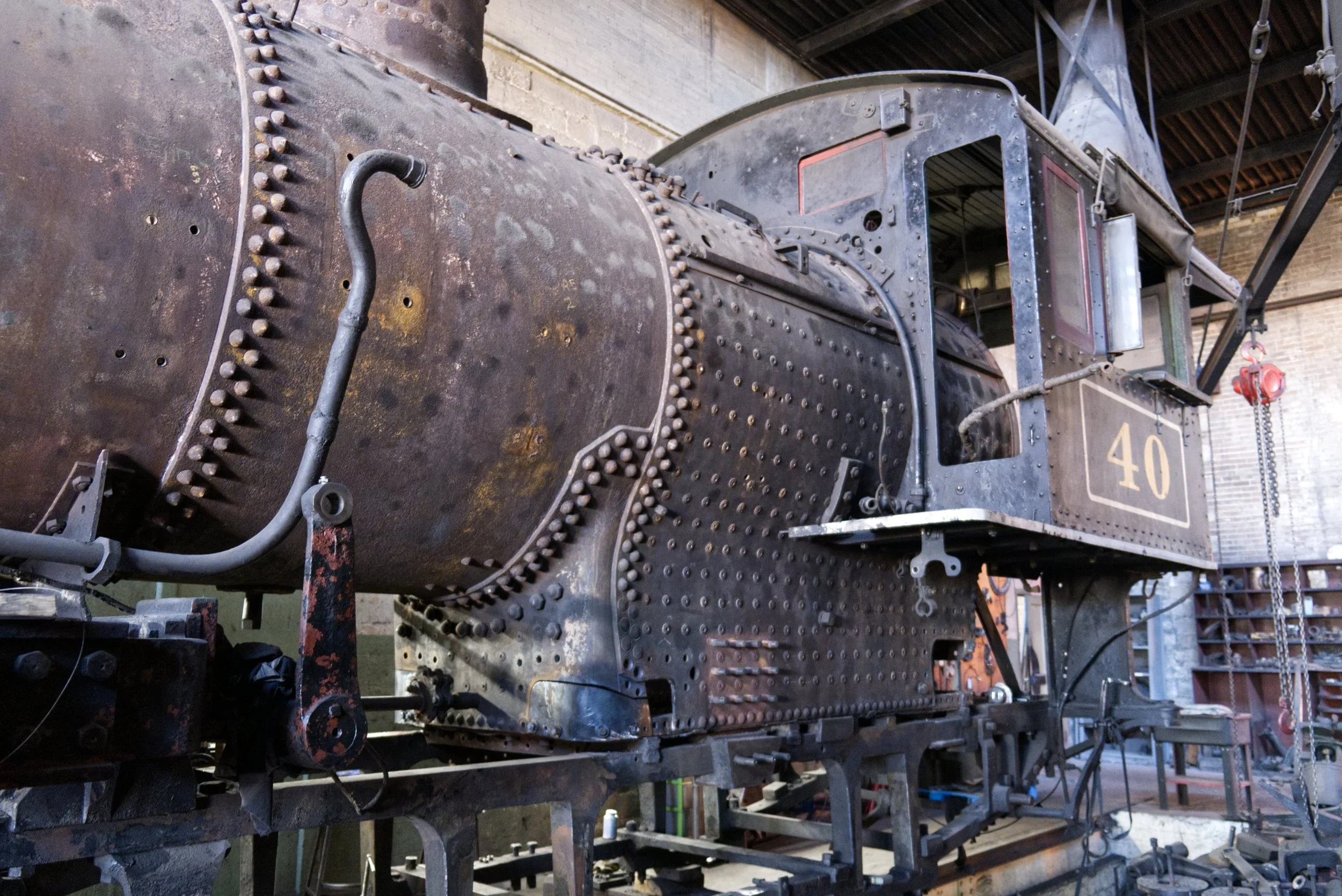
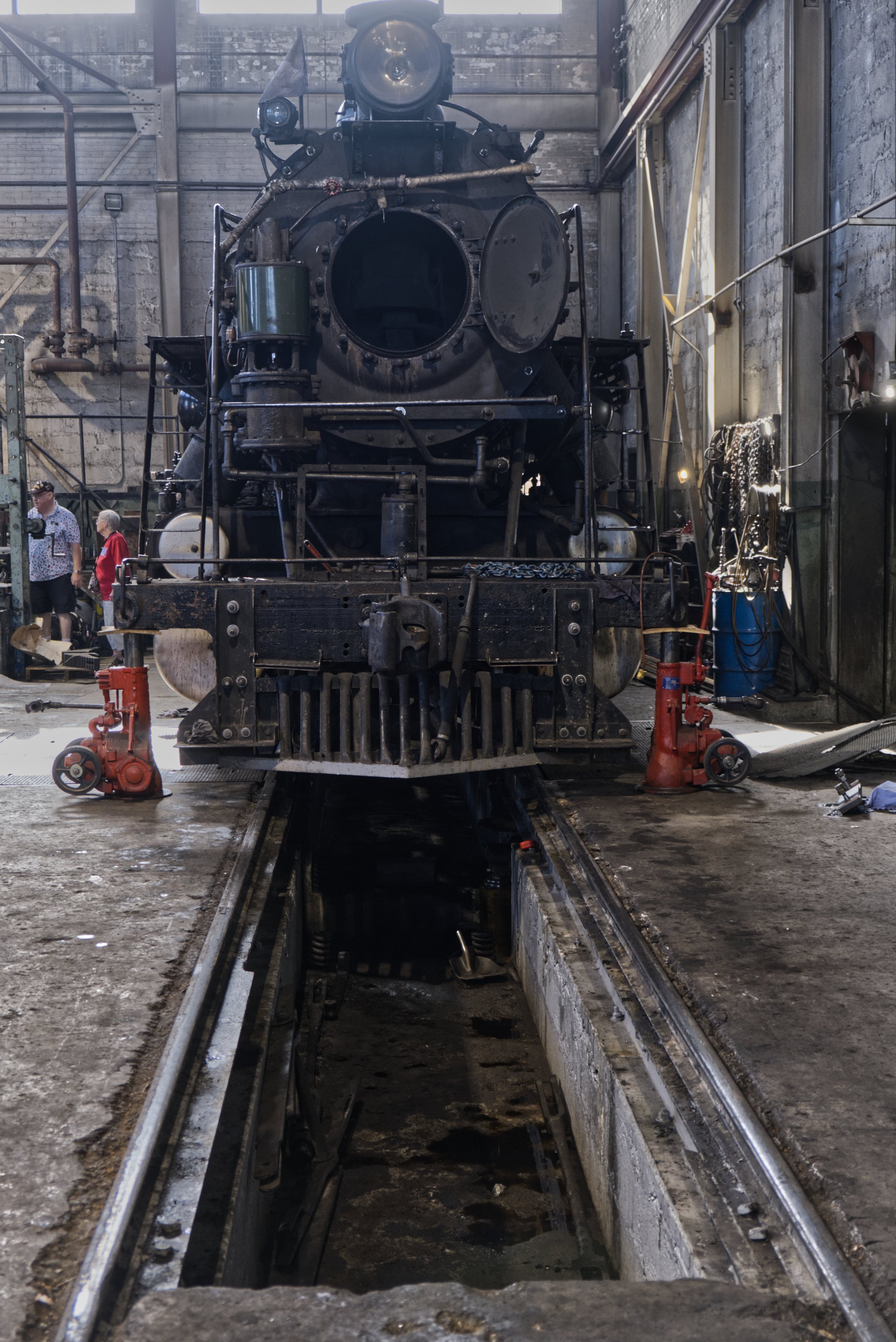
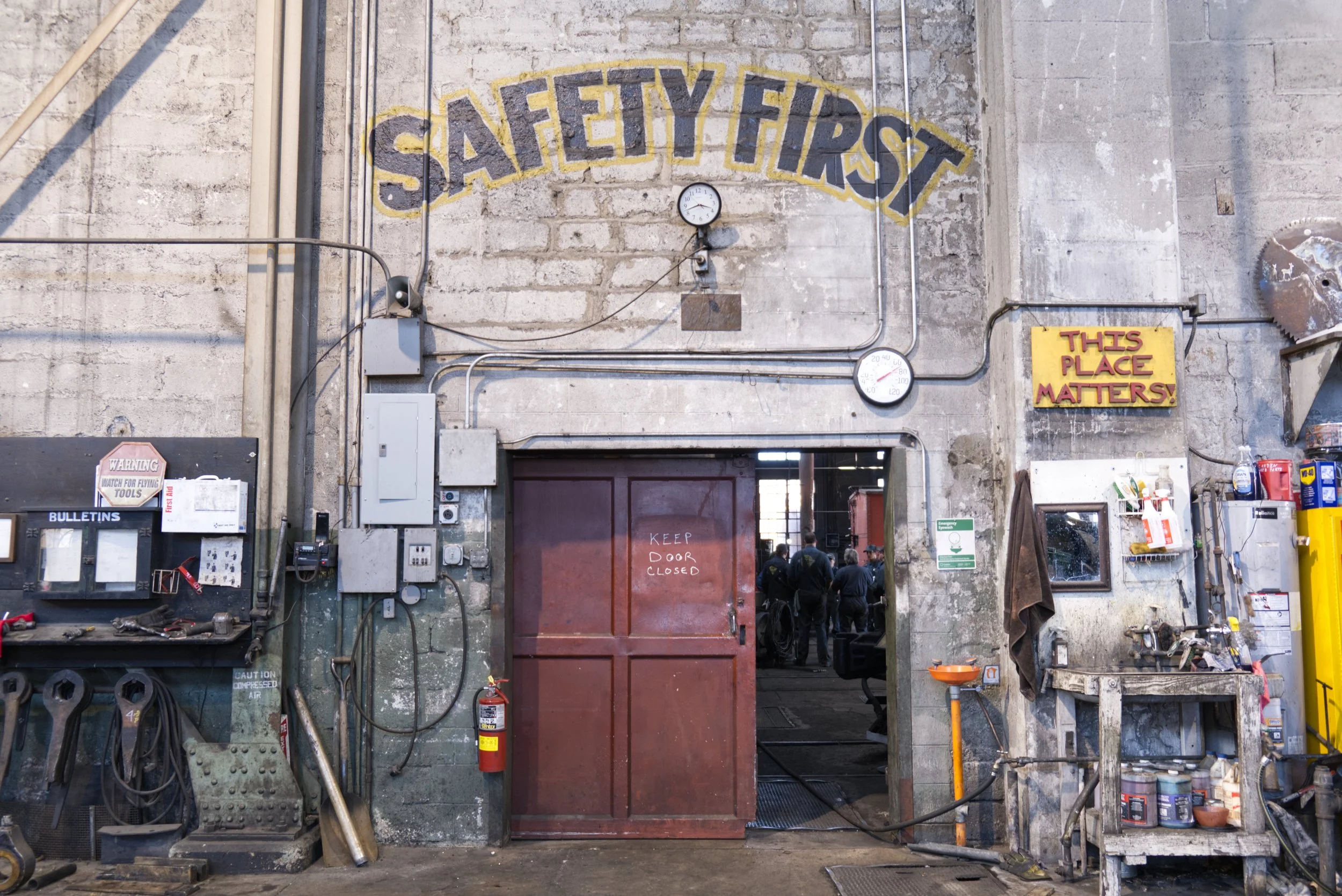
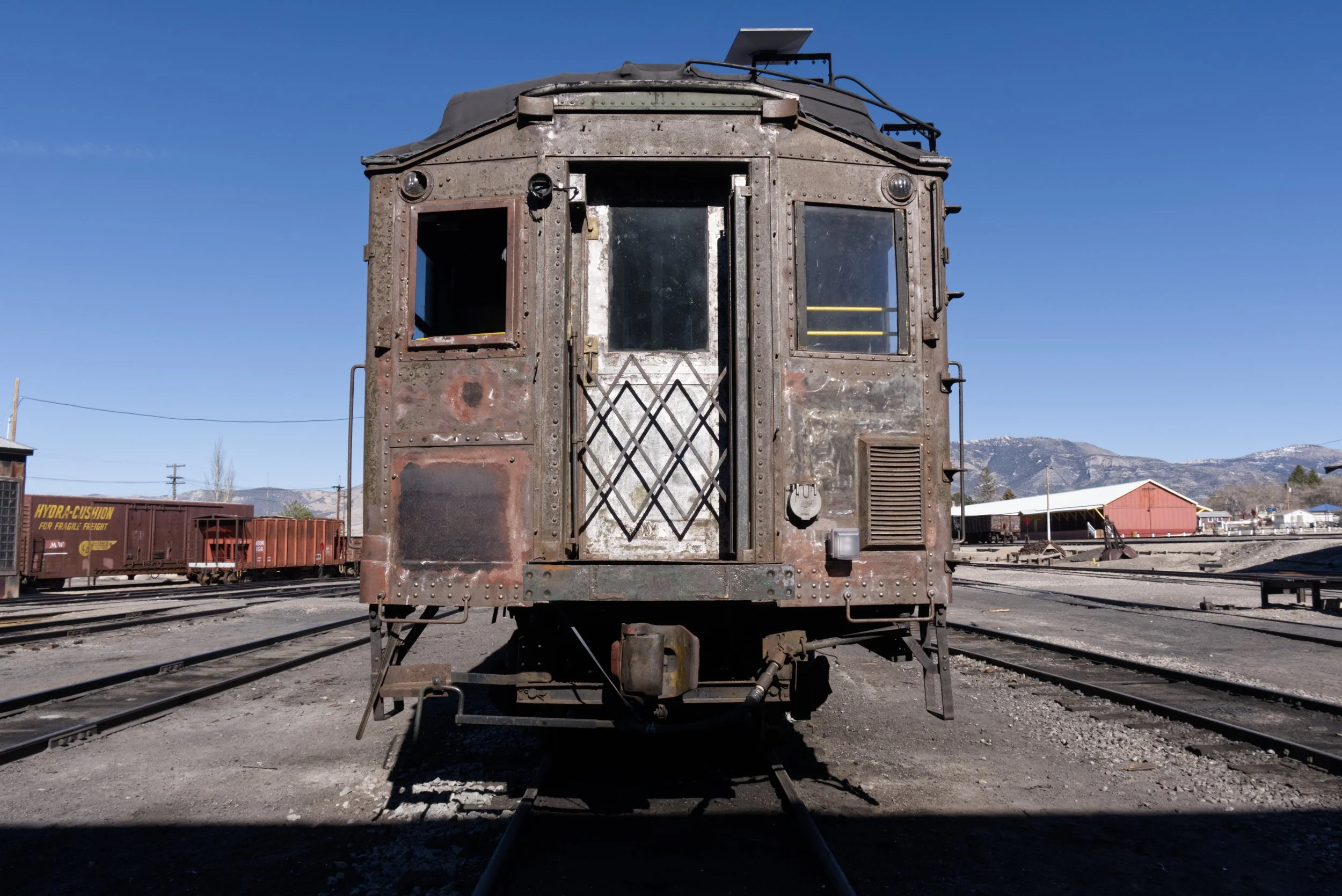
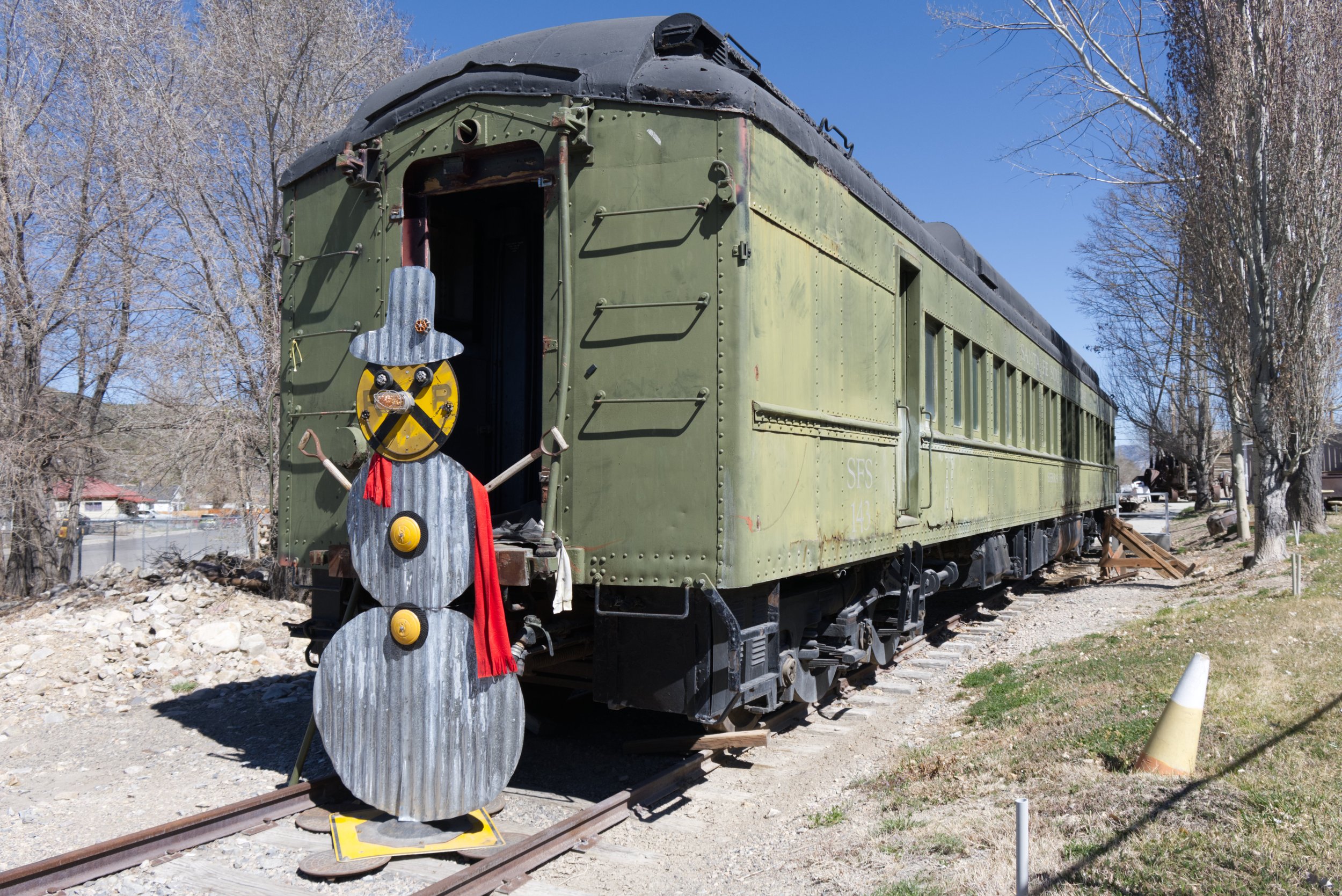
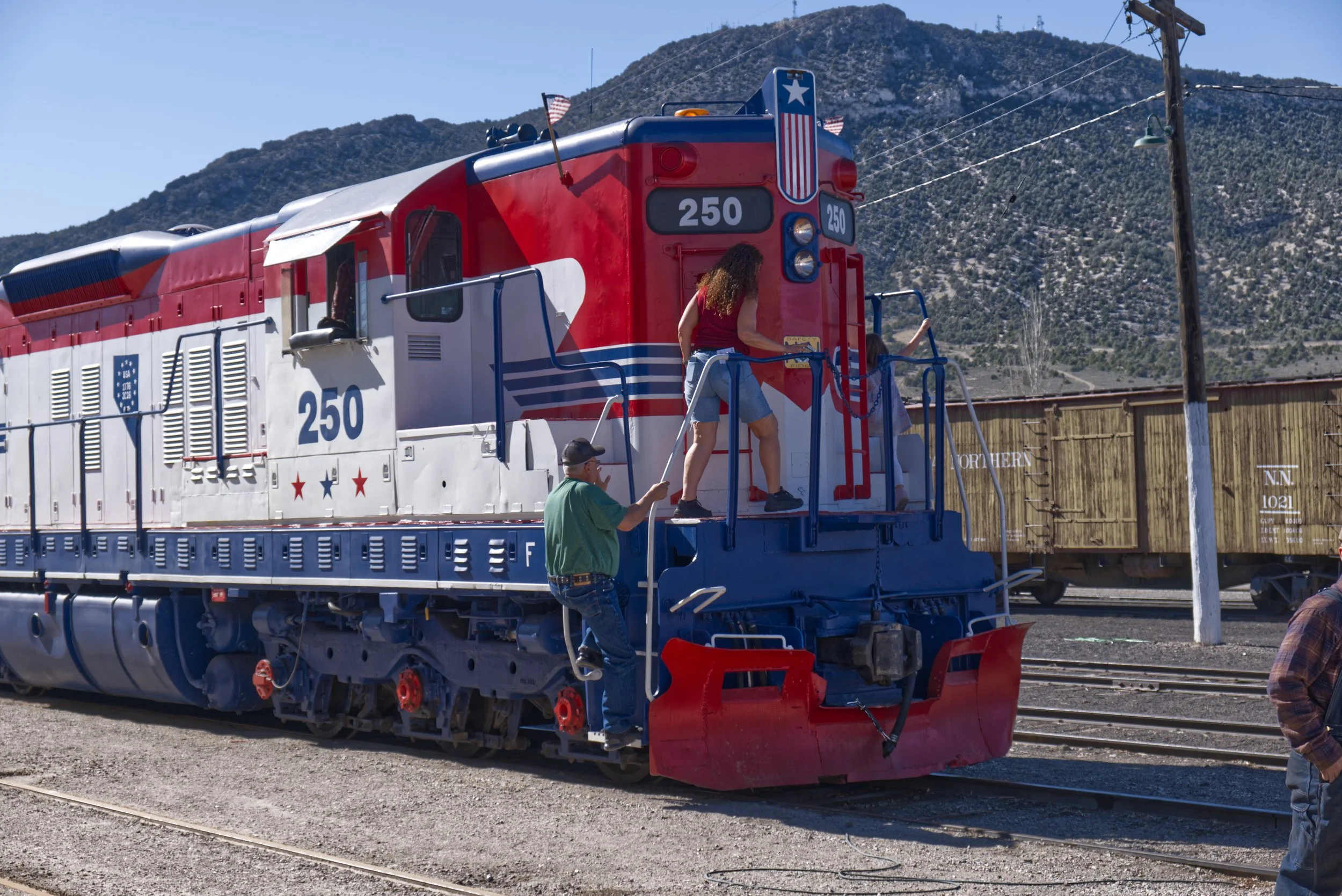
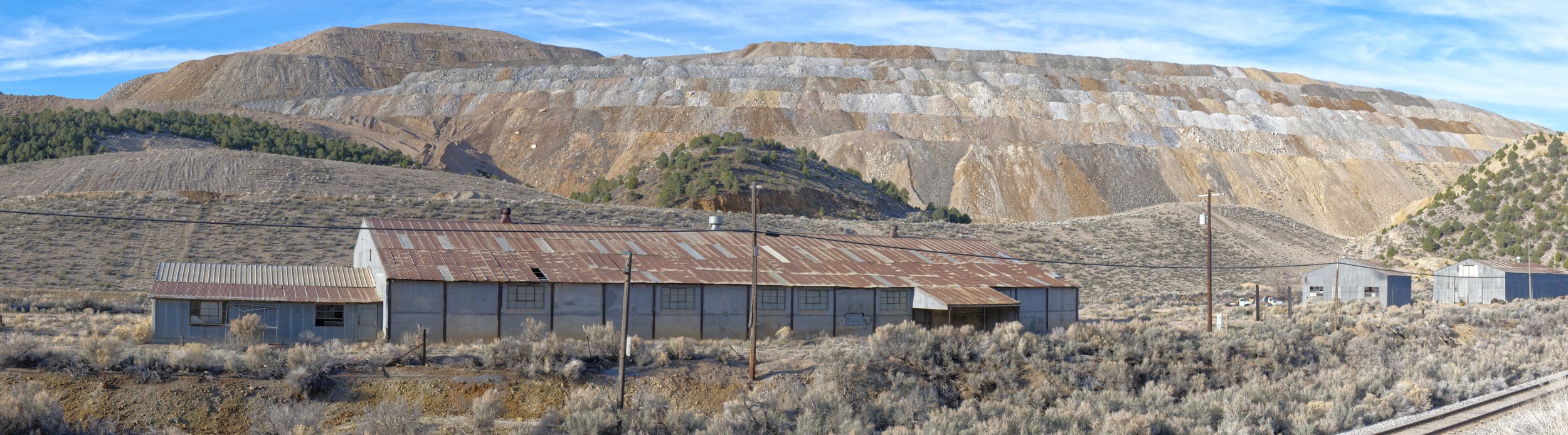
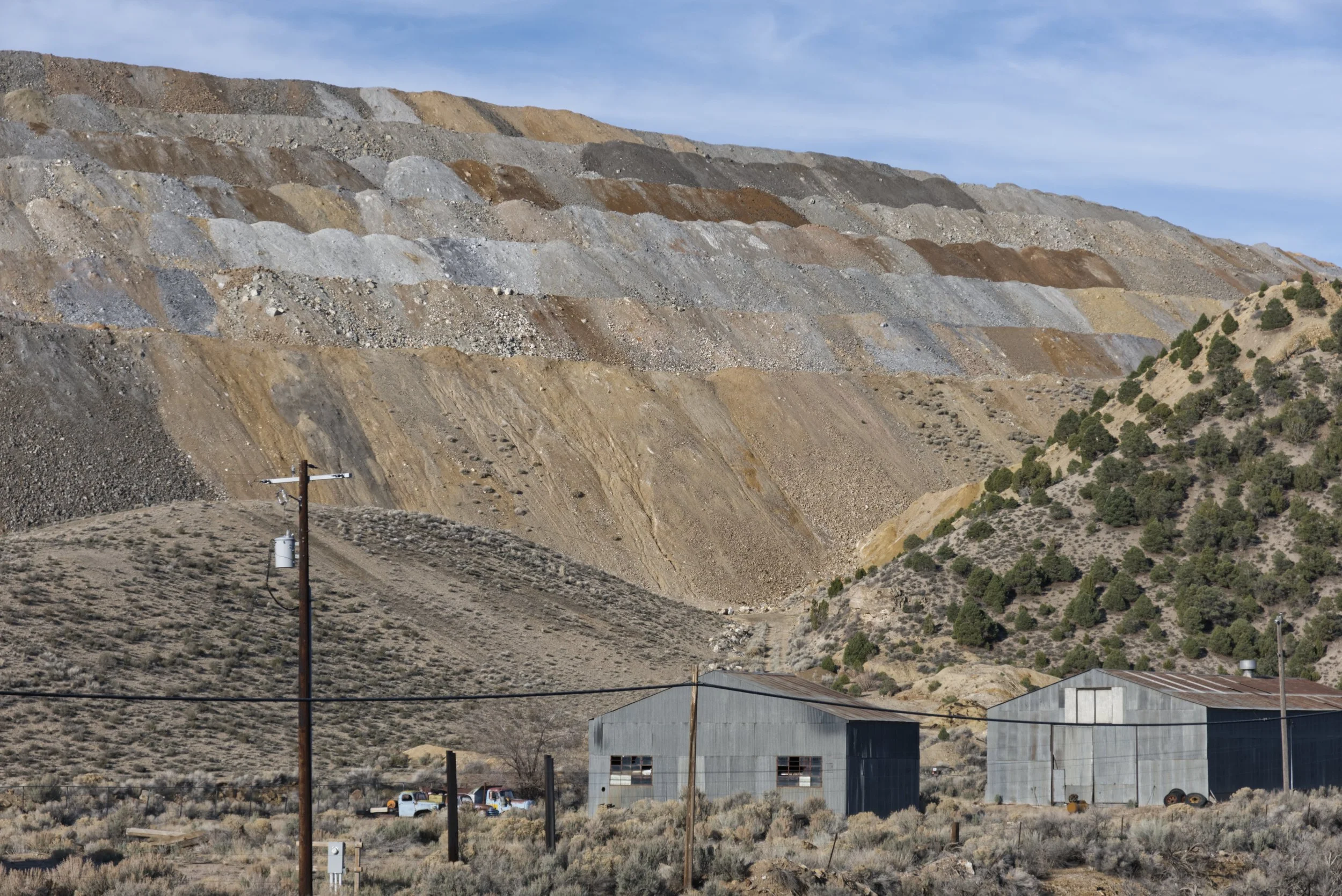
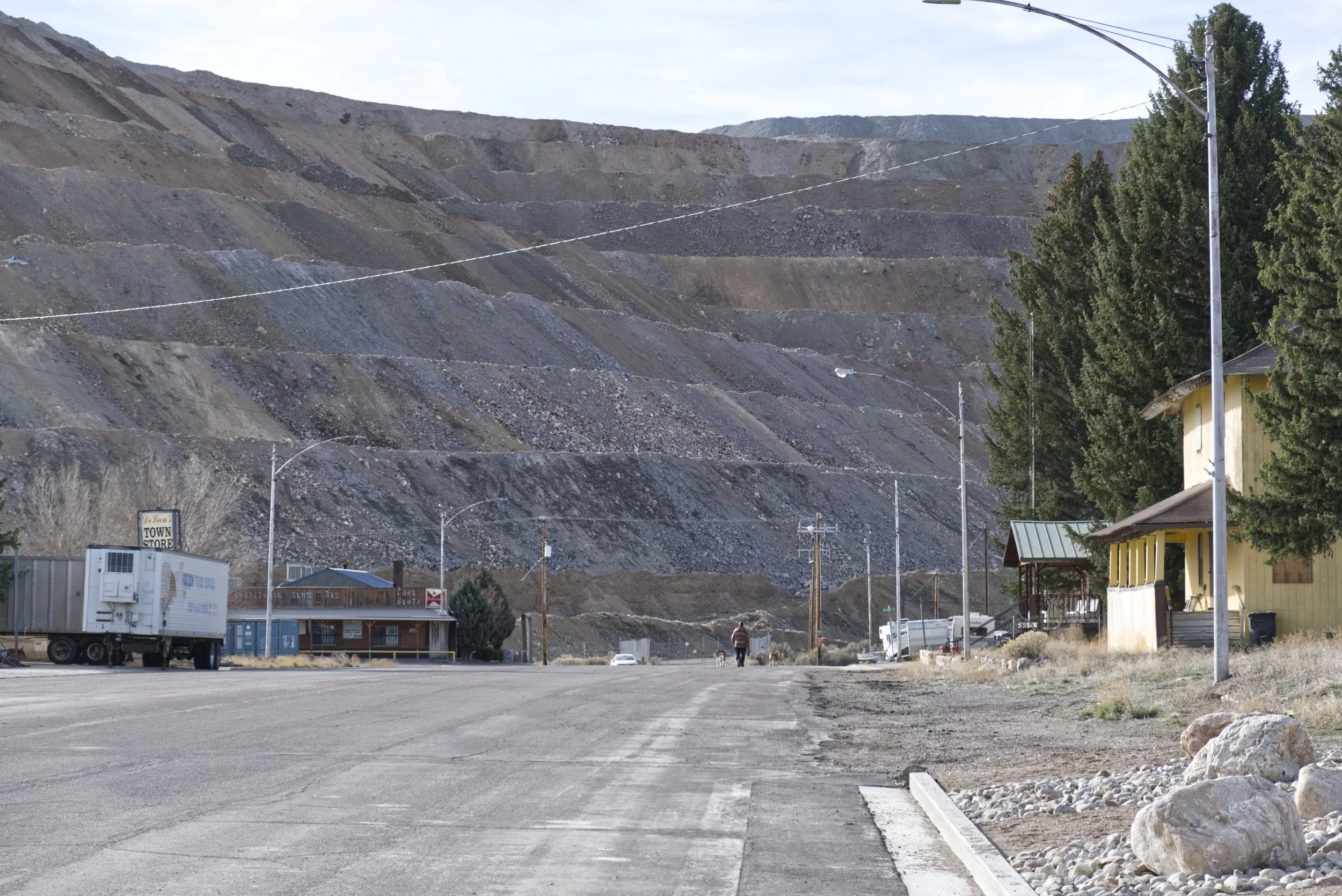
Beatty and Goldfield are know mainly for their gold mines; Ely for copper. As with all mines, a number of minerals can be extracted, but towns get to be known for the most profitable. Just outside of Ely lies the very little town of Ruth. It grew up to service the local copper mine which became profitable when it became open-cast. It is still in use providing a large proportion of the work for those in Ely. The terraces are cut into the rock as the ore is mined; each terrance is big enough for a truck to carry the ore. The whole ediface overshadows the town.
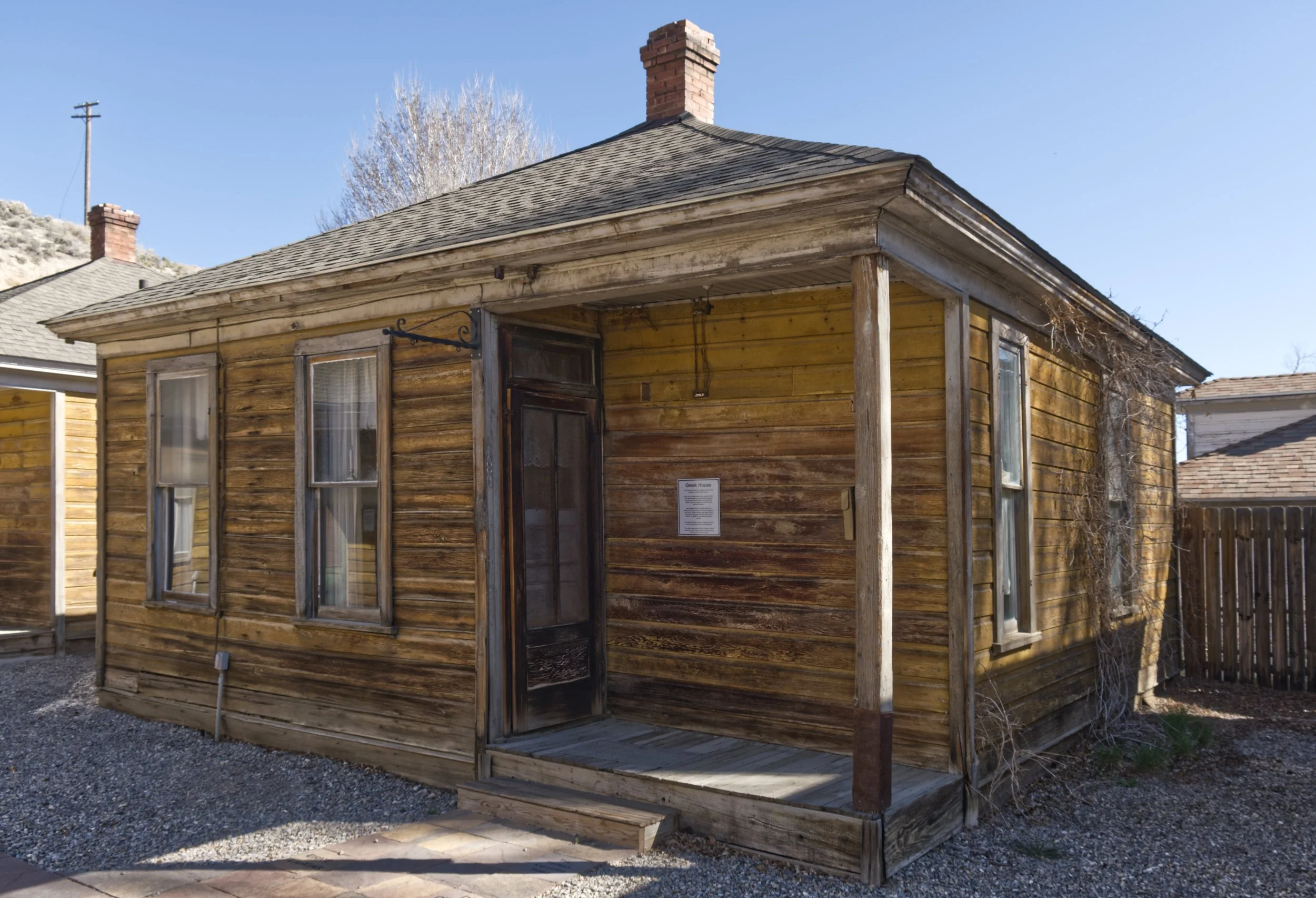
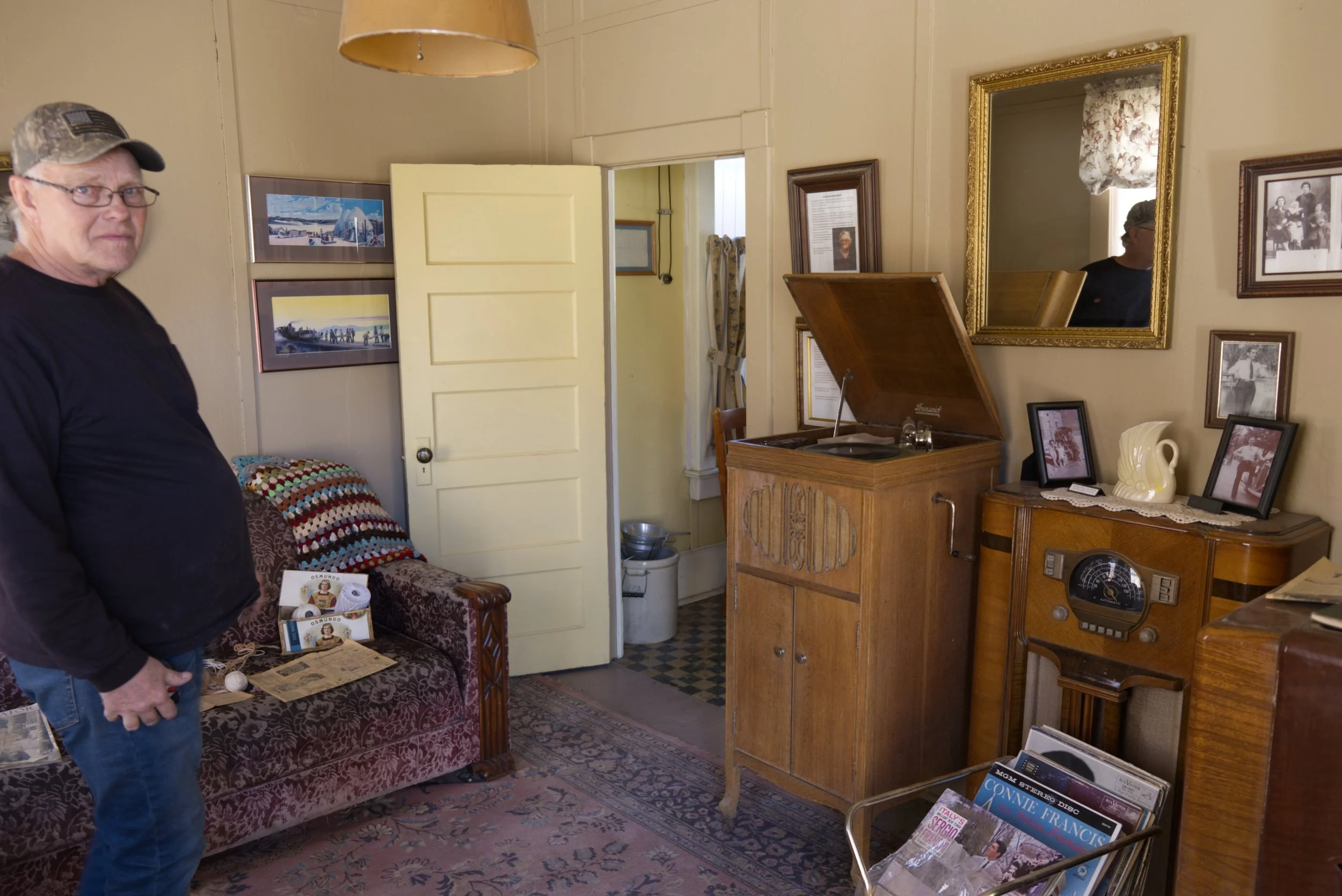
Across the road from my motel I found a collection of huts collectively known as the Renaissance Village. It is a small outdoor historical museum consisting of a collection of preserved and reconstructed houses from Ely’s early 20th-century mining era. The aim is to show how different immigrant communities lived during the copper mining boom. Each building houses domestic artifacts from each of the communities - Greek, UK, Italian, etc, etc. Absolutely fascinating. I talked with the guy (forget his name) who maintains the buildings more or less single handedly. He showed me the artifacts left by his Italian grandparents. Below is the plaque for the Slavic House. The interior is Italian (his ancestors).
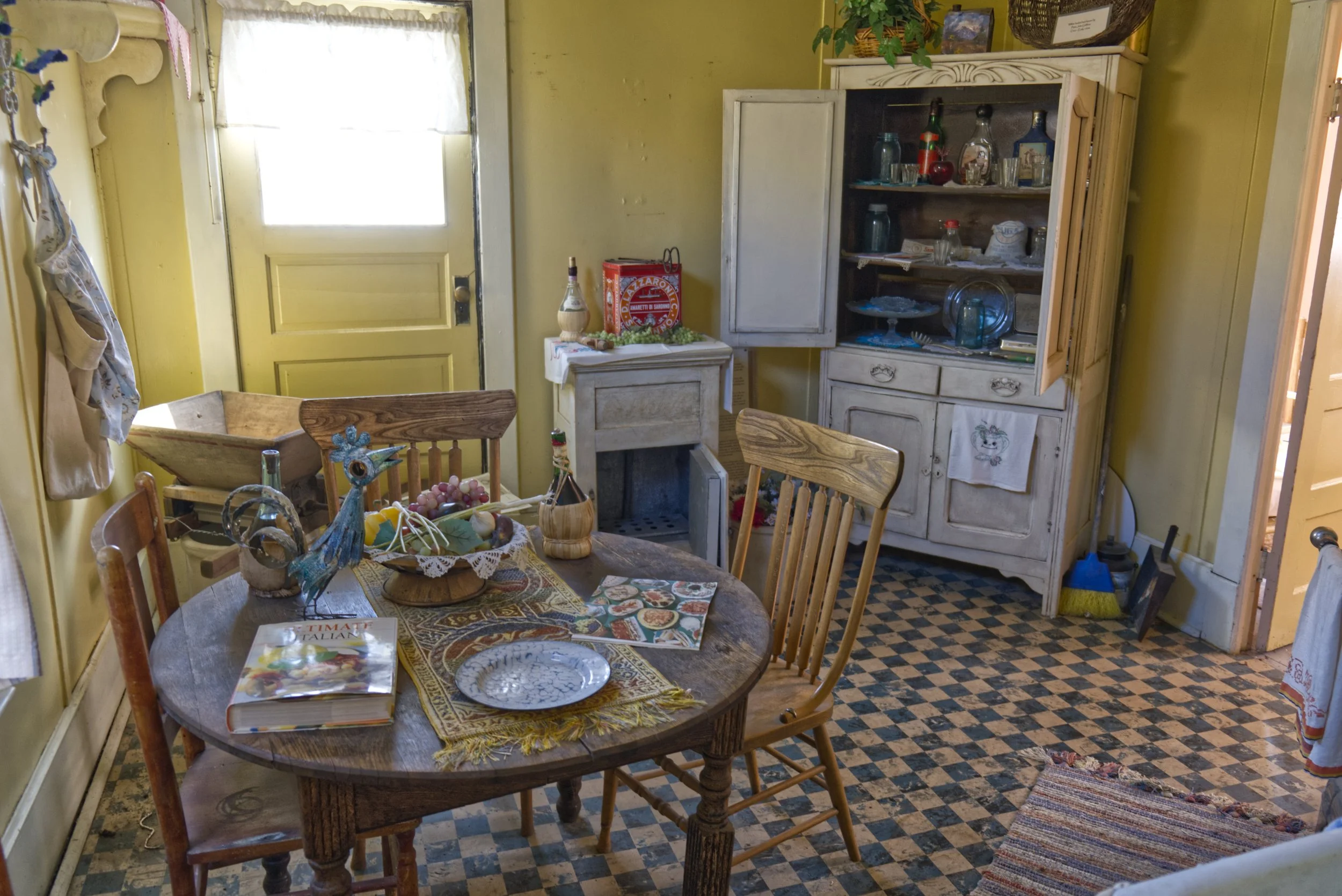
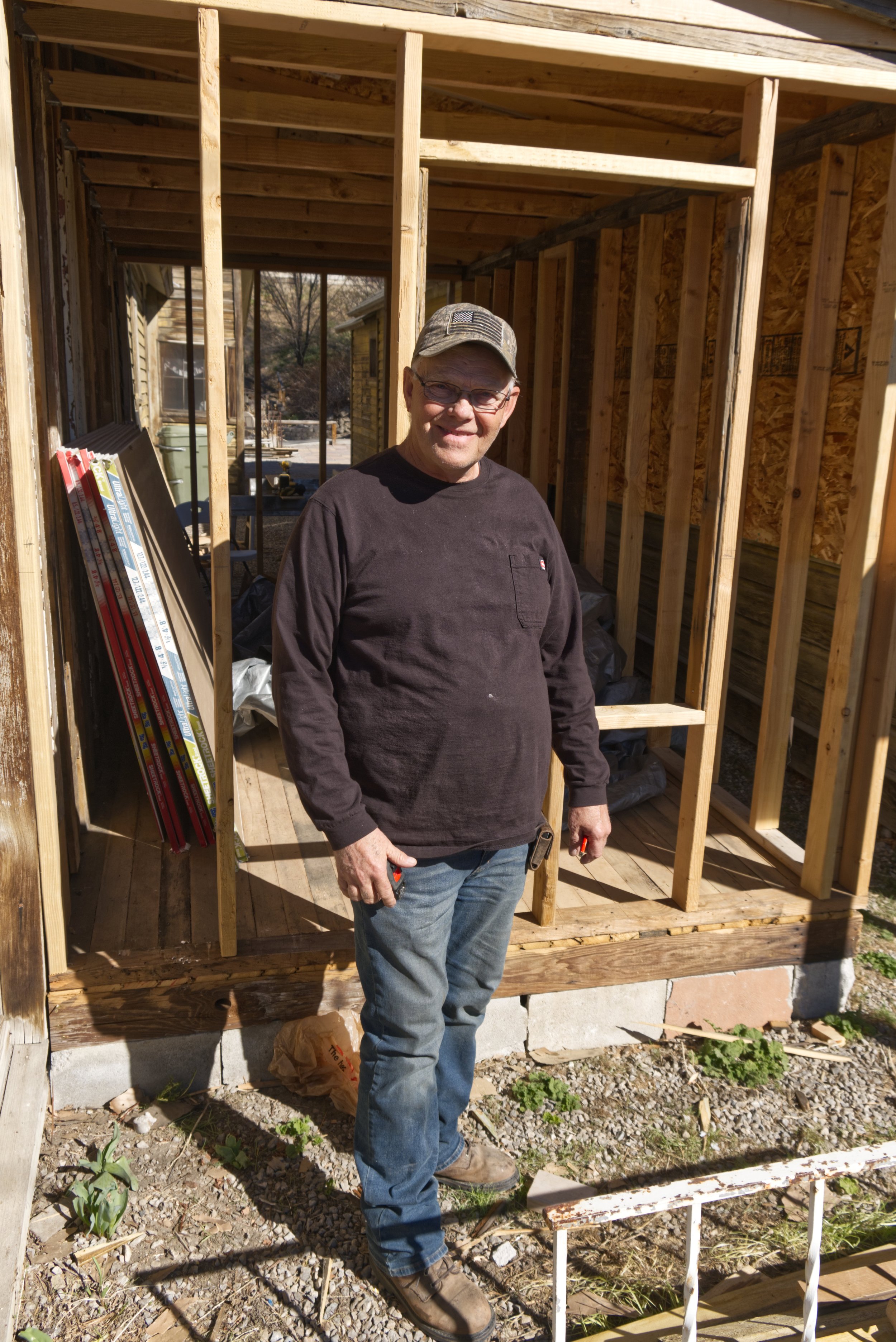
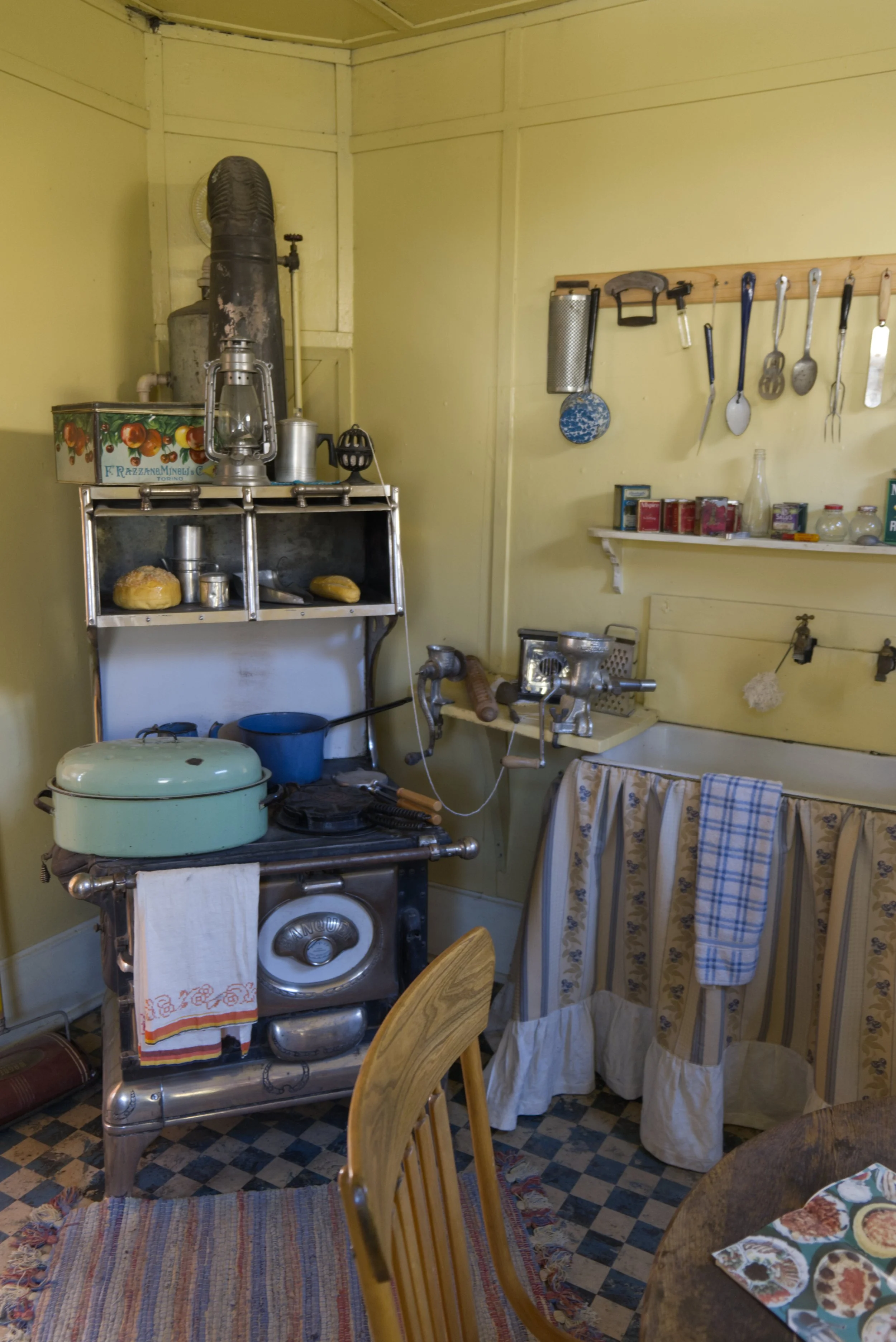
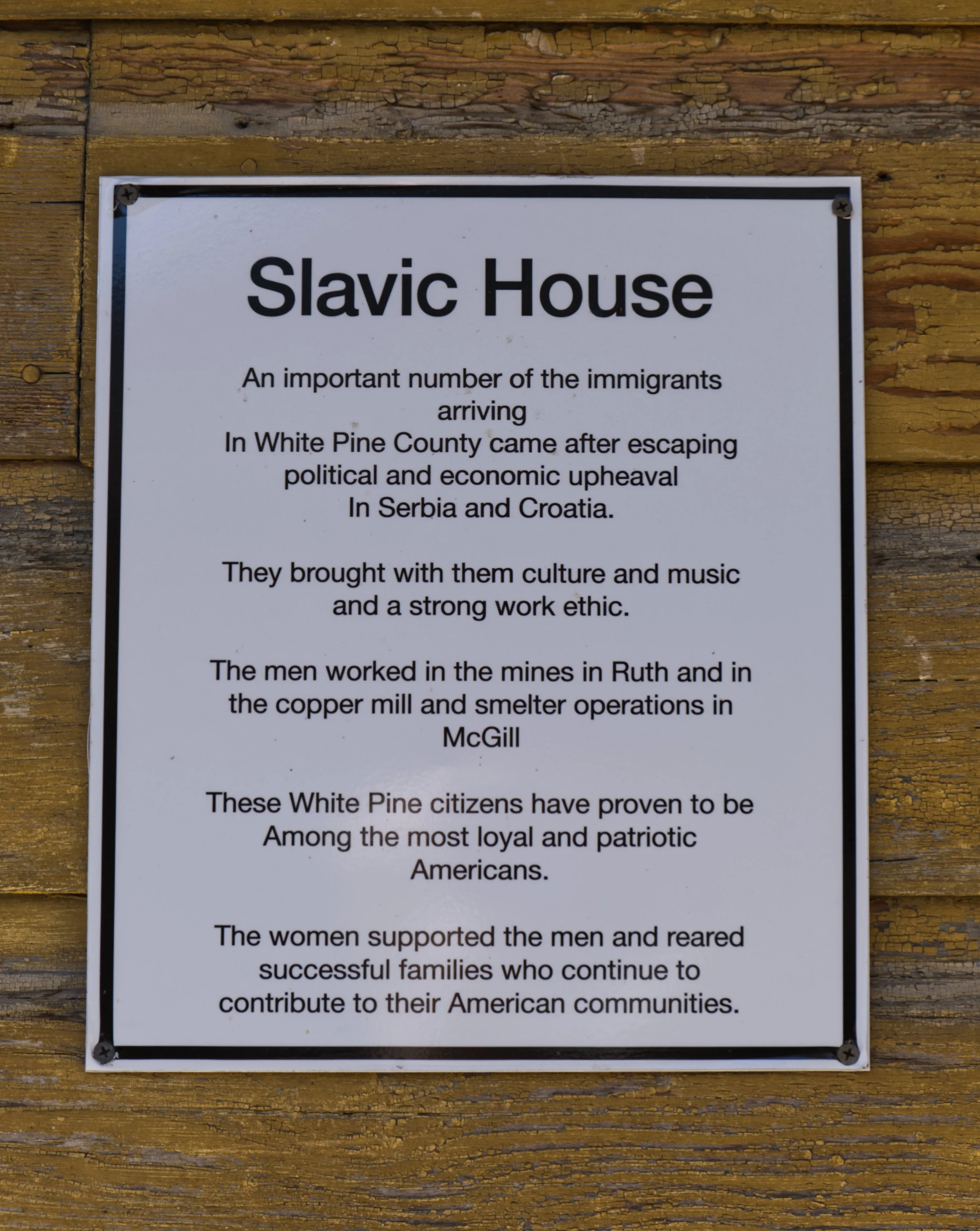
Ely is big enough to have its own newspaper, which I read while having an iced coffee. A local committee meeting pointed out a number of issues that the town had: lack of qualified staff, poor internet, the need to form alliances with experts in universities and other towns, marketing, and so on. Like many such towns, they are surviving, just. I was told that at this time of year, there were many winter activities such as ice fishing on the nearby frozen lakes. But with temperatures into the 90’s - no chance of that. All the events were cancelled, which was a blow to the economy.
My next stop was to be the notorious town of Pioche!
Goldfield - Nevada
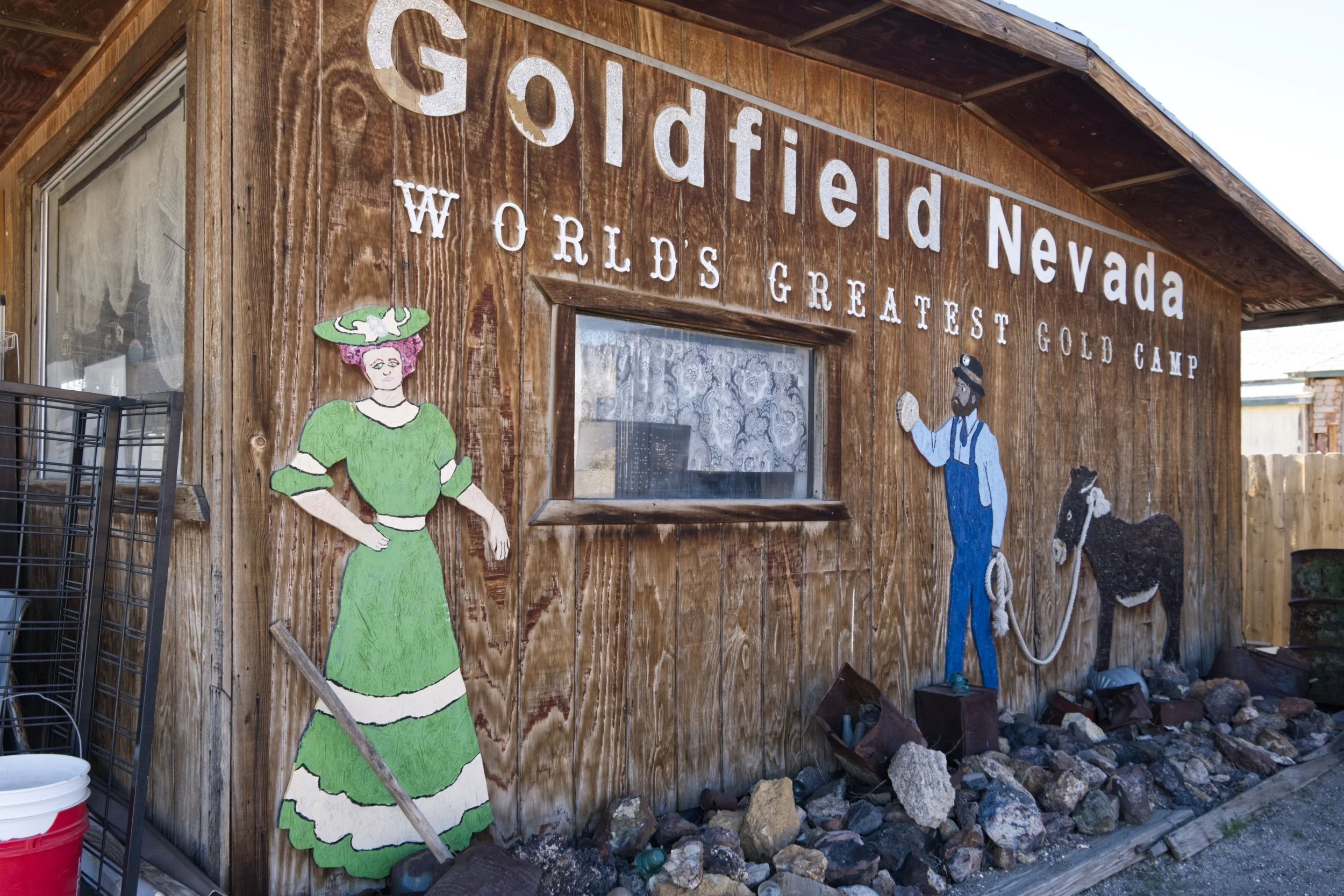
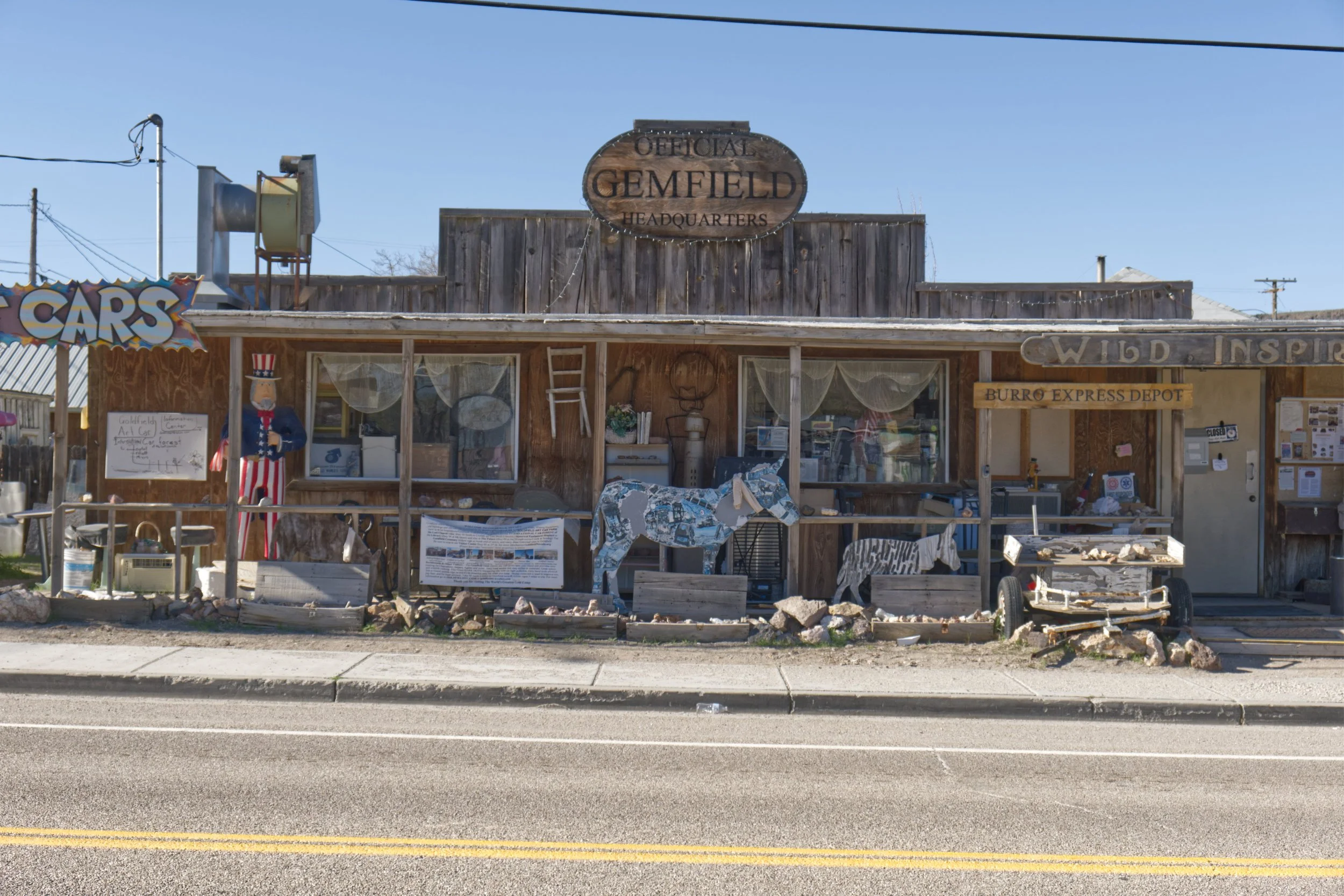
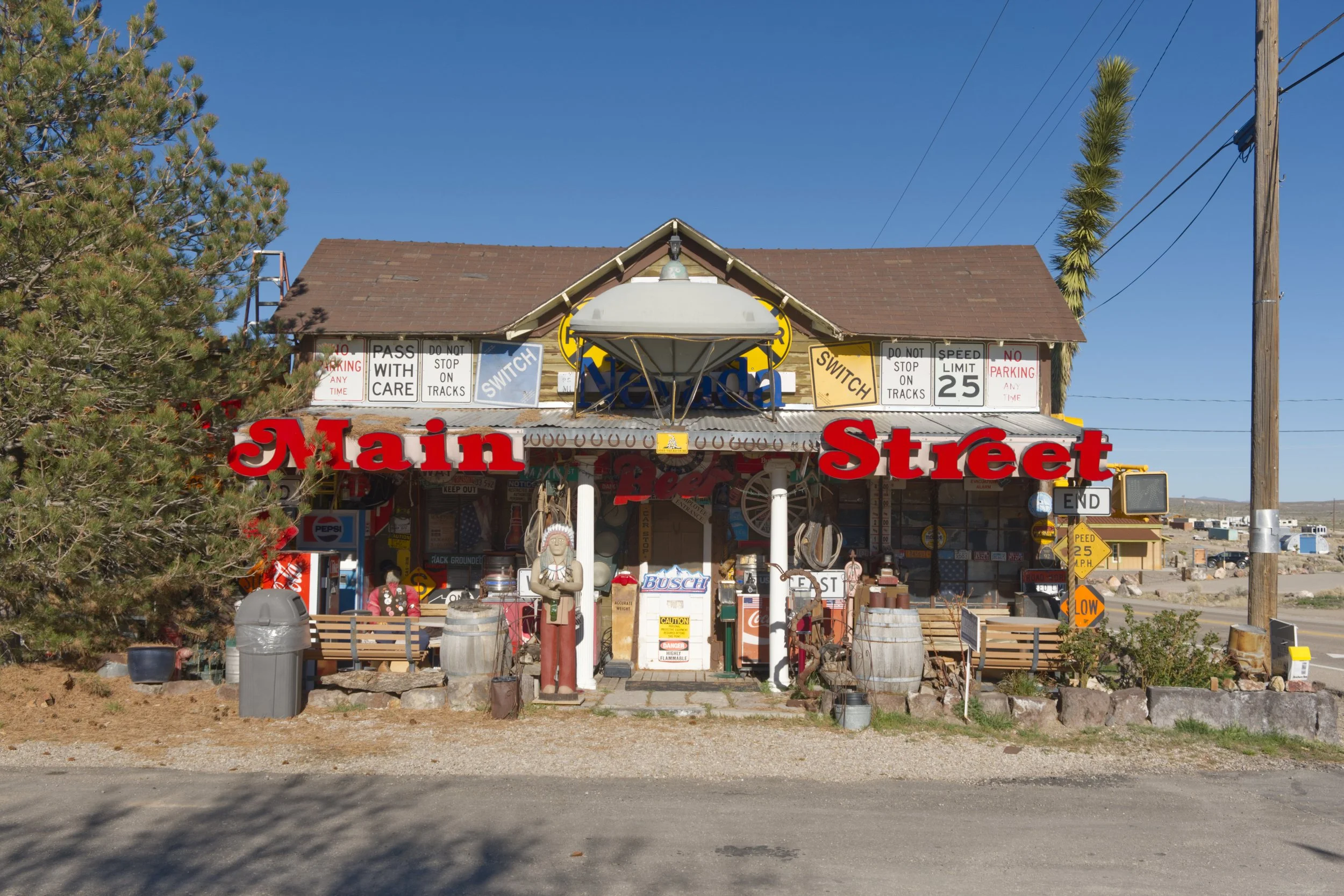
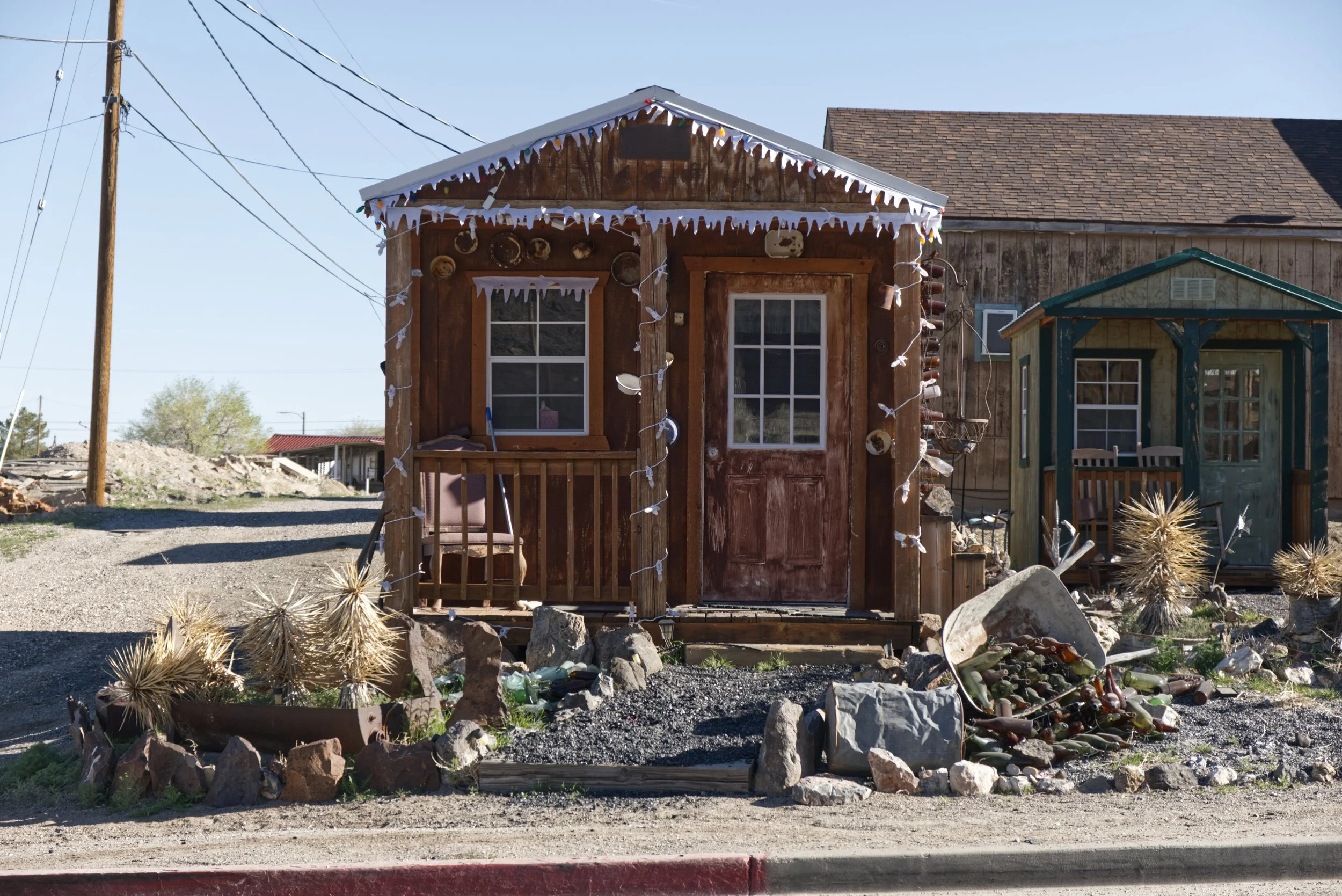
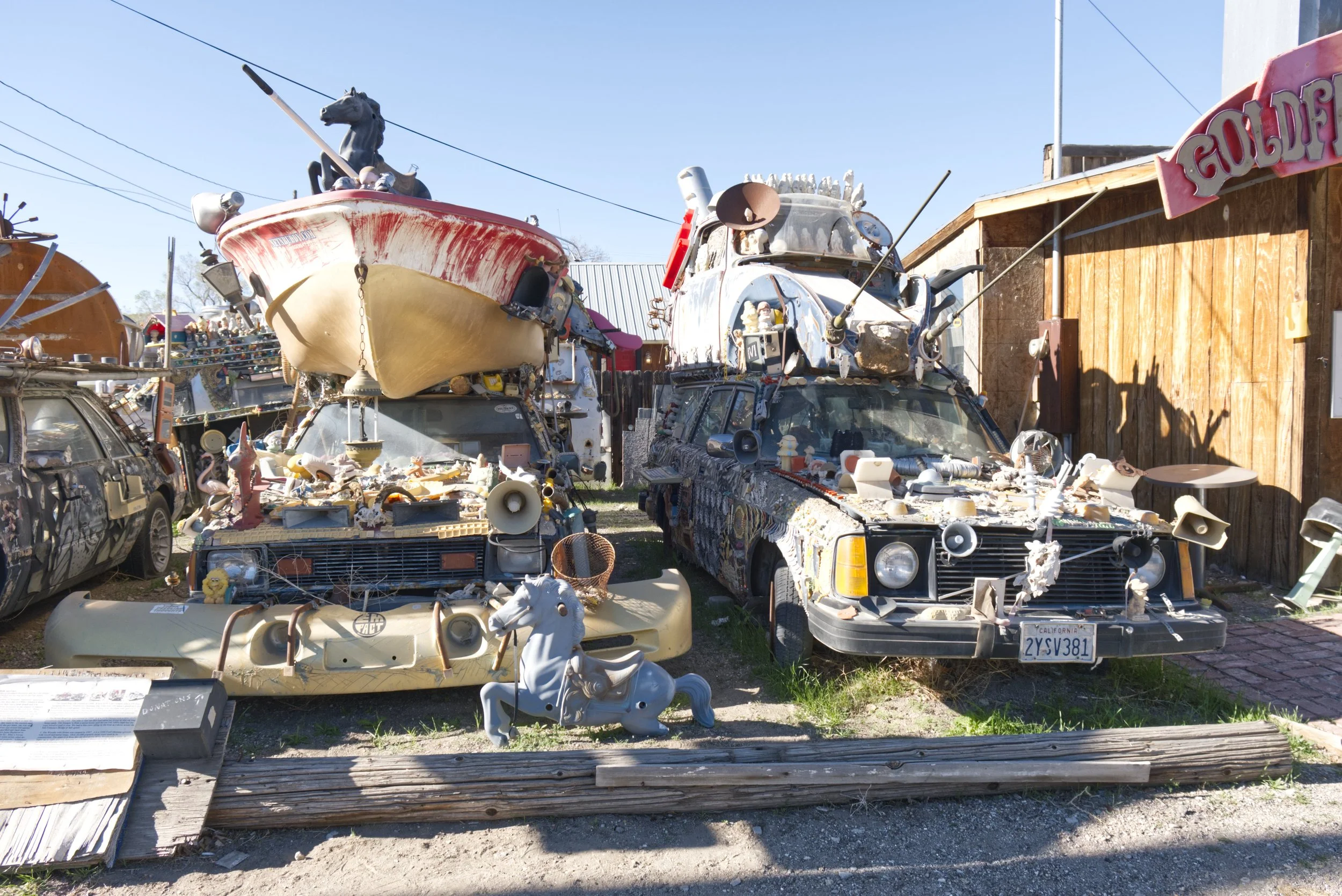
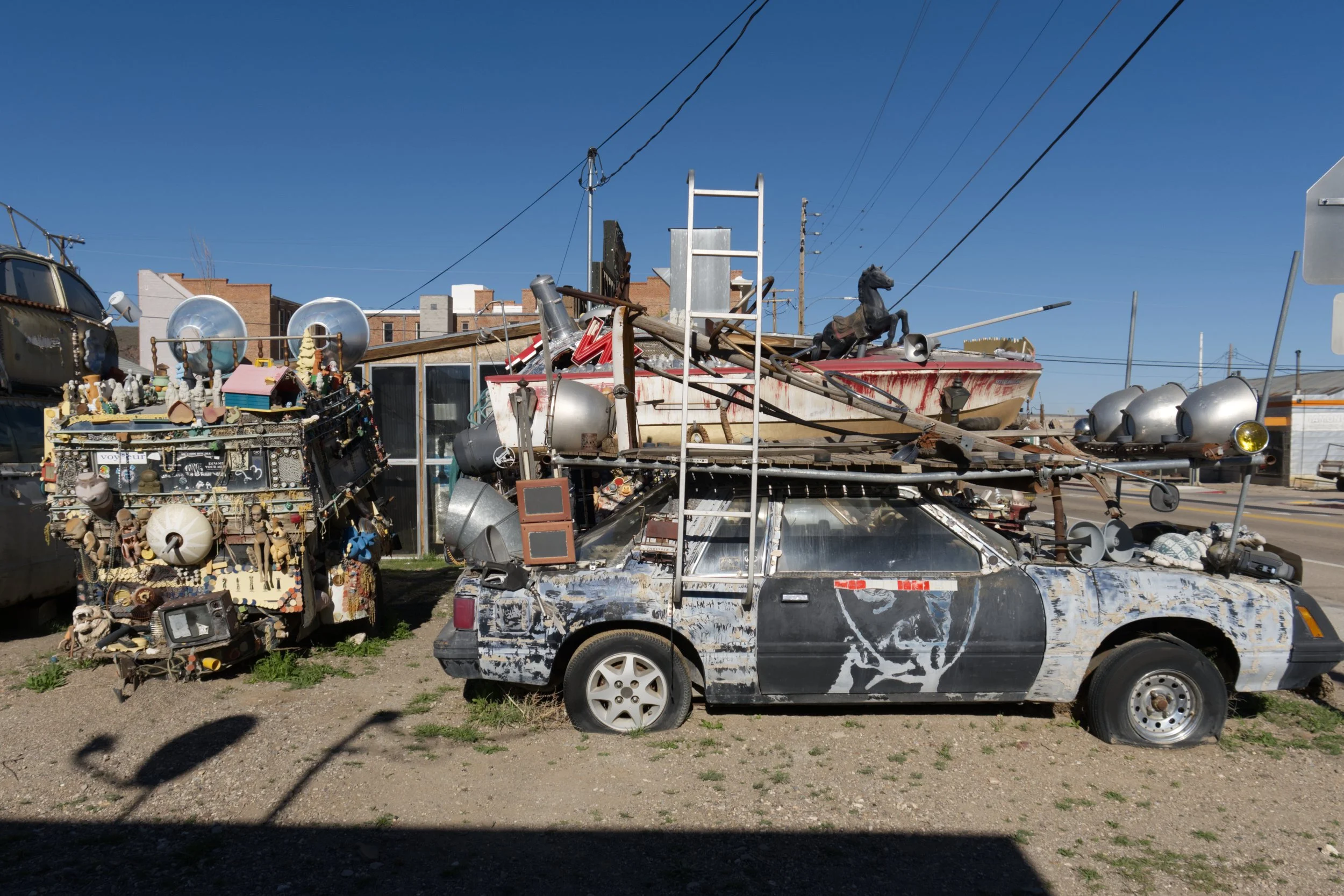
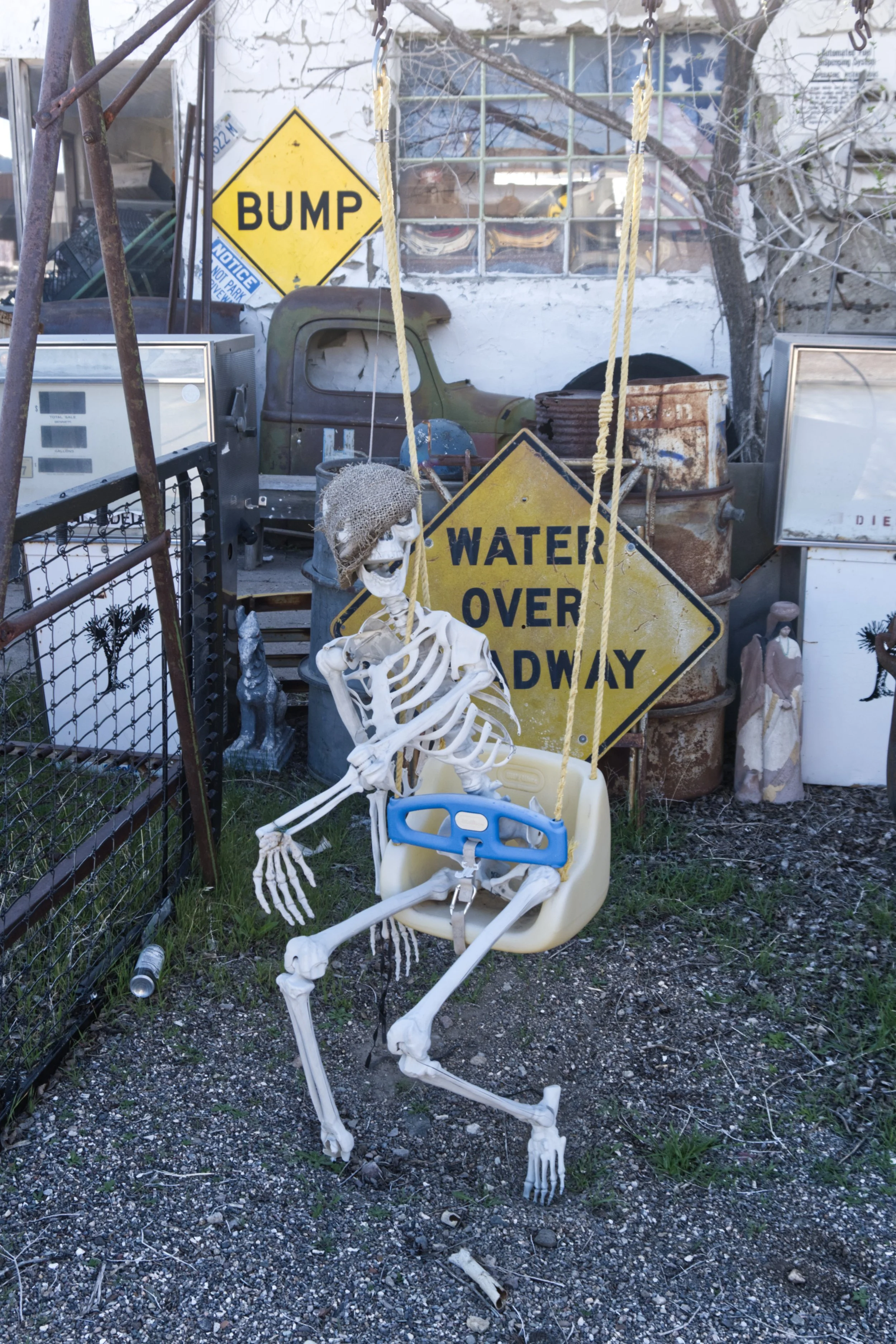
Just up the road from Beatty is Goldfield. It is very strange. In 1908 it was the biggest town in Nevada - now there are less than 300 inhabitants. As I entered the town, I couldn’t see anyone. What I saw were weird collections of memorabilia, especially old cars draped with ‘stuff’. Were they, or the properties they were on, owned by anyone? I couldn’t tell. I found Dinky Diner for food - seemed to be the only place in town. This was the only place where I saw anyone. On the outskirts was the car forest - explicitly an art installation - not just a junk yard. Known as a ‘living ghost town’, Goldfield is in limbo, but with the new gold mines on the horizon, it may all change. Here is a gallery of old cars and stuff that must mean something to someone.
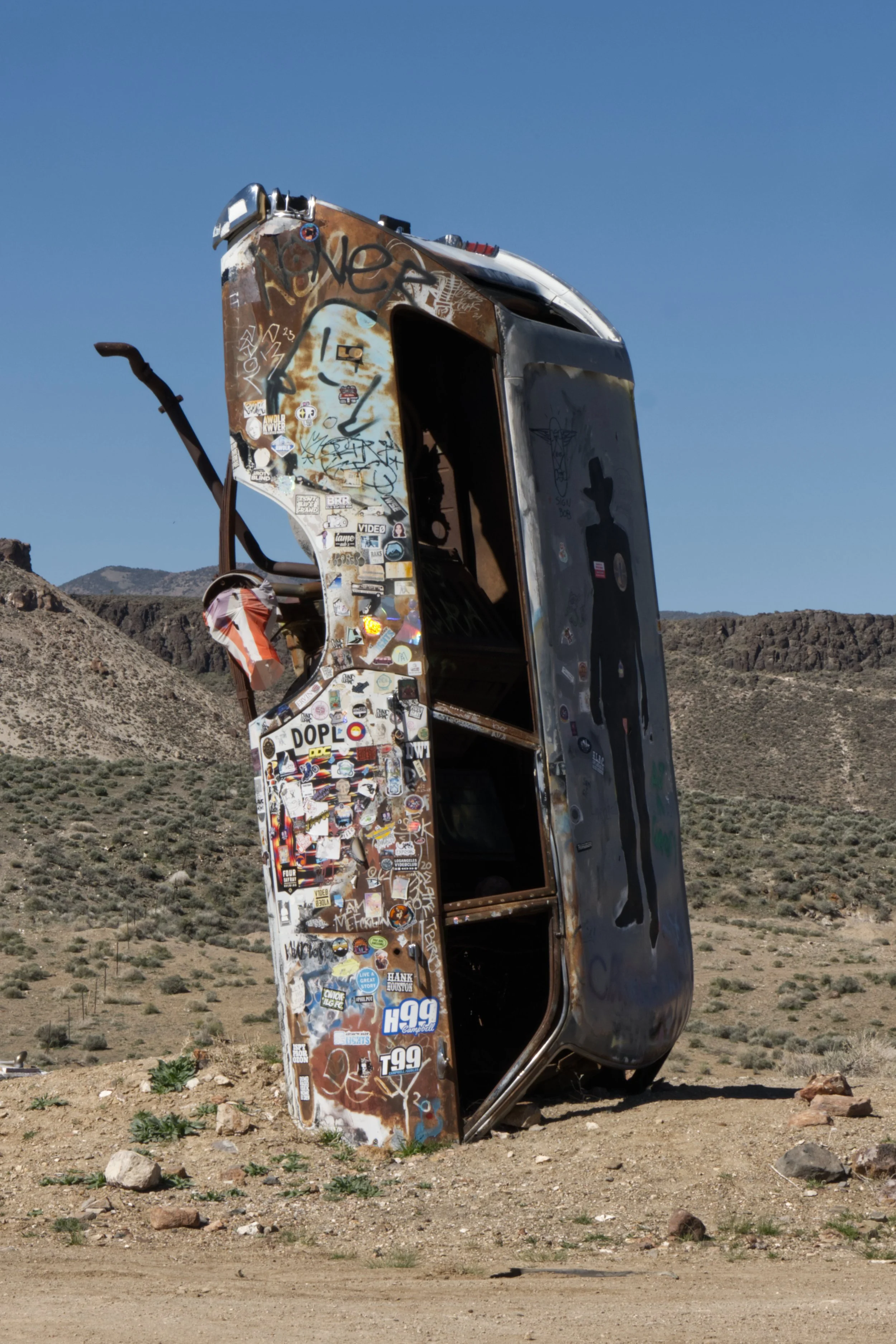
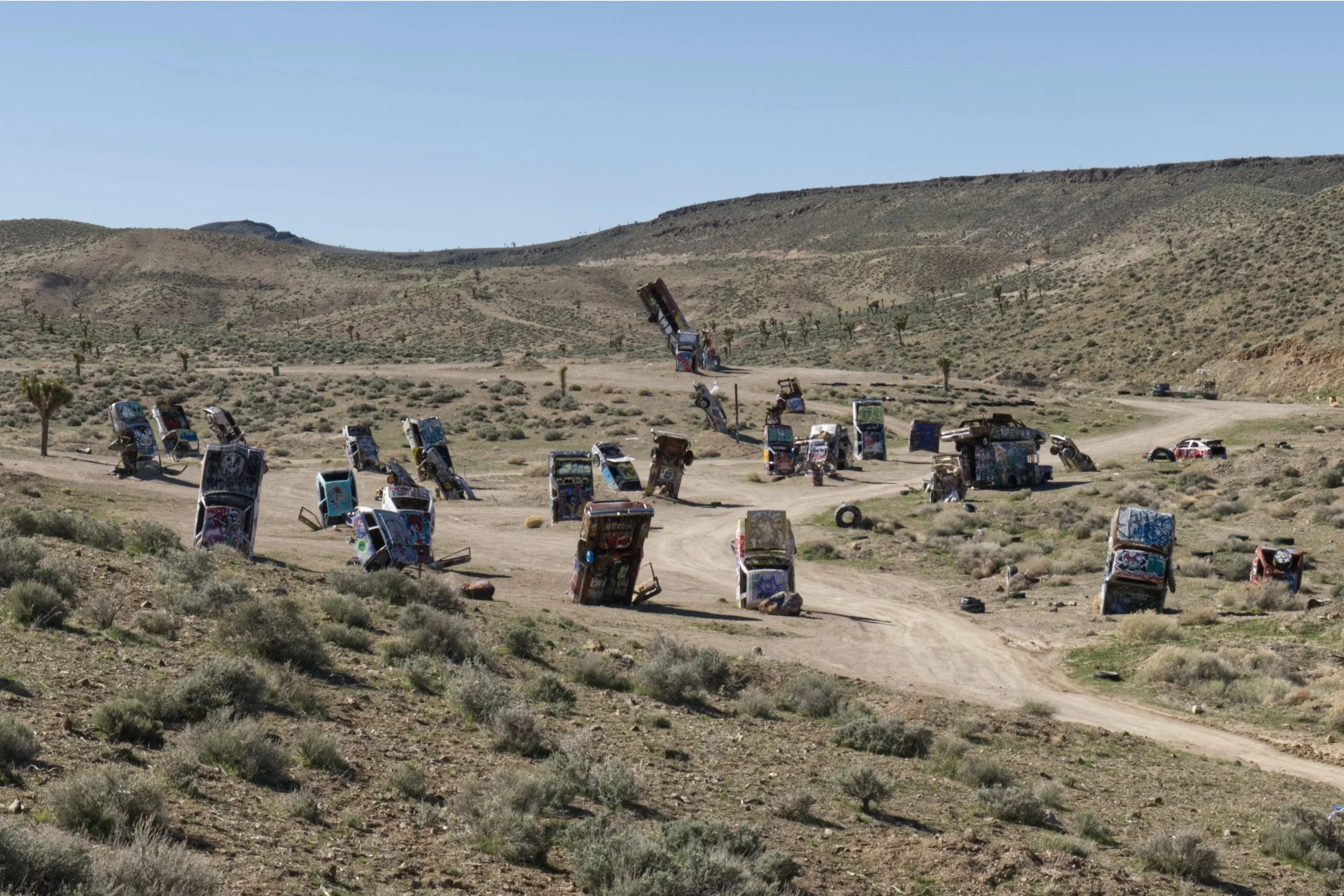
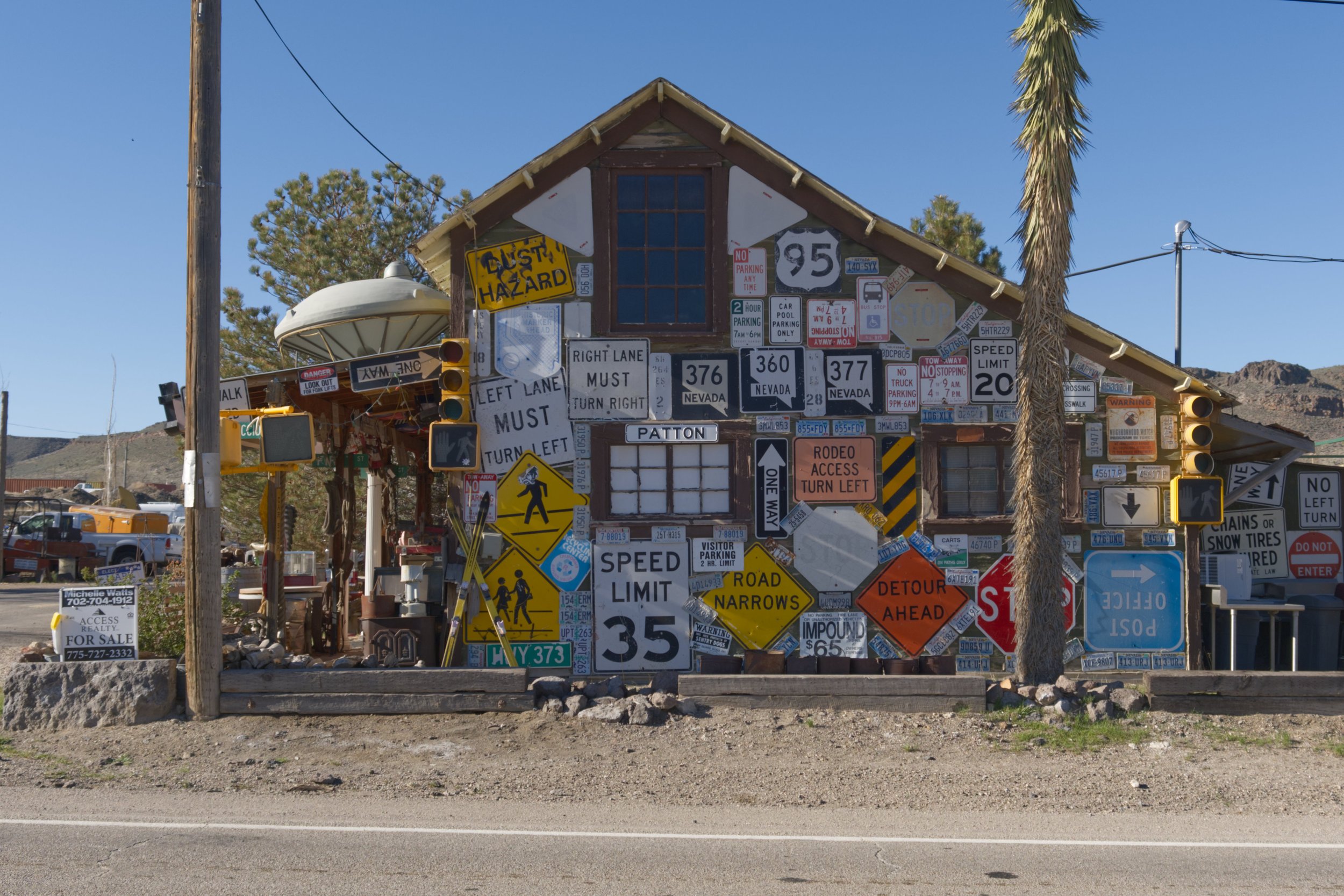
Beatty - Nevada
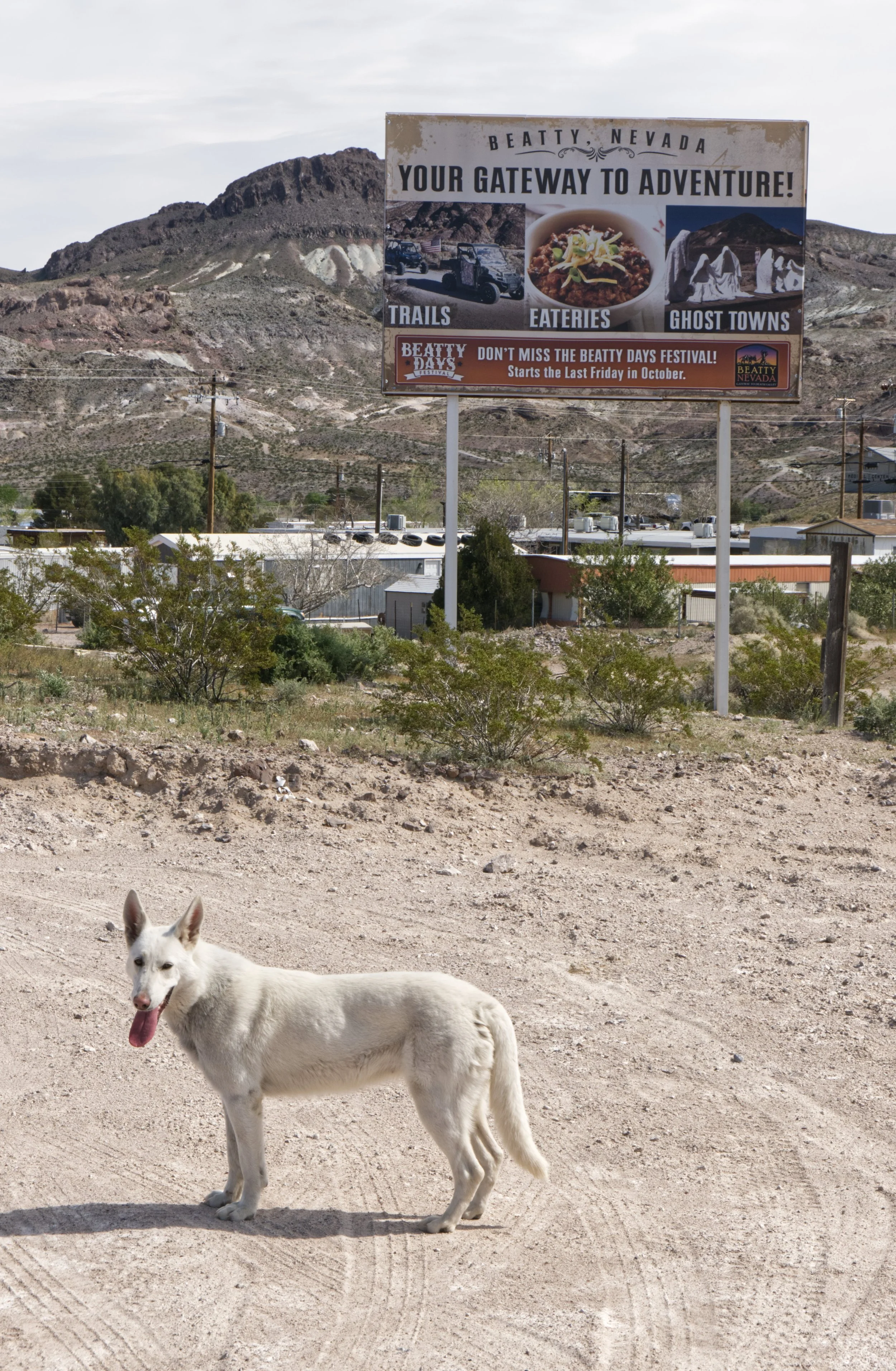
Beatty is a small town just outside the Death Valley National Park that I used when I needed to stay at a motel or stock up on food and water or get relatively cheap fuel. It was founded in 1904 as a supply town for nearby gold and silver mining camps but now primarily serves travellers heading into Death Valley. Like the other old mining towns in Nevada that I visited, there was an excellent museum exhibiting an almost overwhelming collection of artifacts and information from the town’s past. Patrick, the manager, also volunteered at other places frequented by tourists, such as the ruins at the boom-and-bust mining camp of Rhyolite, a few miles out of Beatty. He told me about Old Man Beatty, real name Montilius Murray Beatty, after whom the town is named.
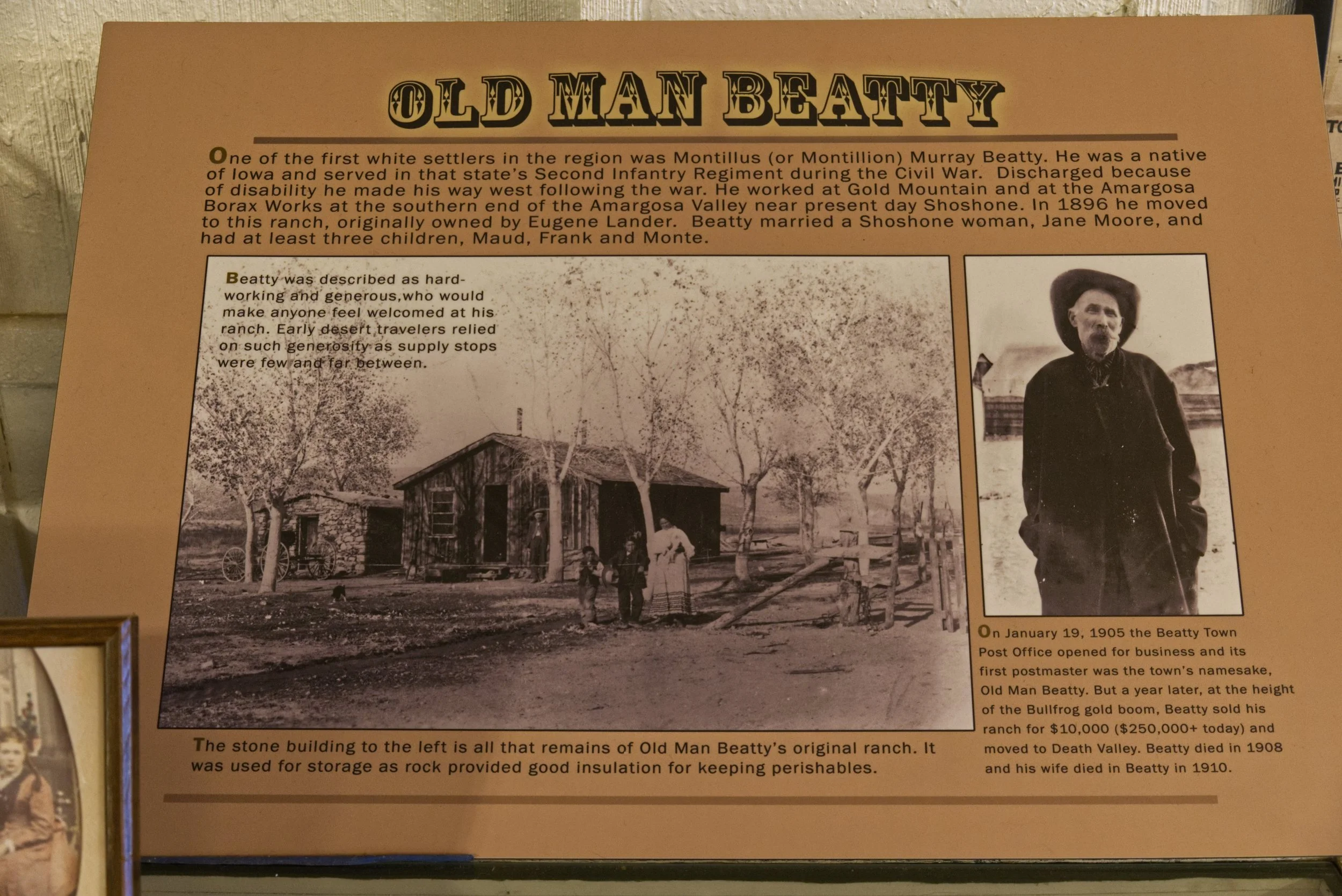
Bio of Old Man Beatty from the museum - one of many fascinating exhibits
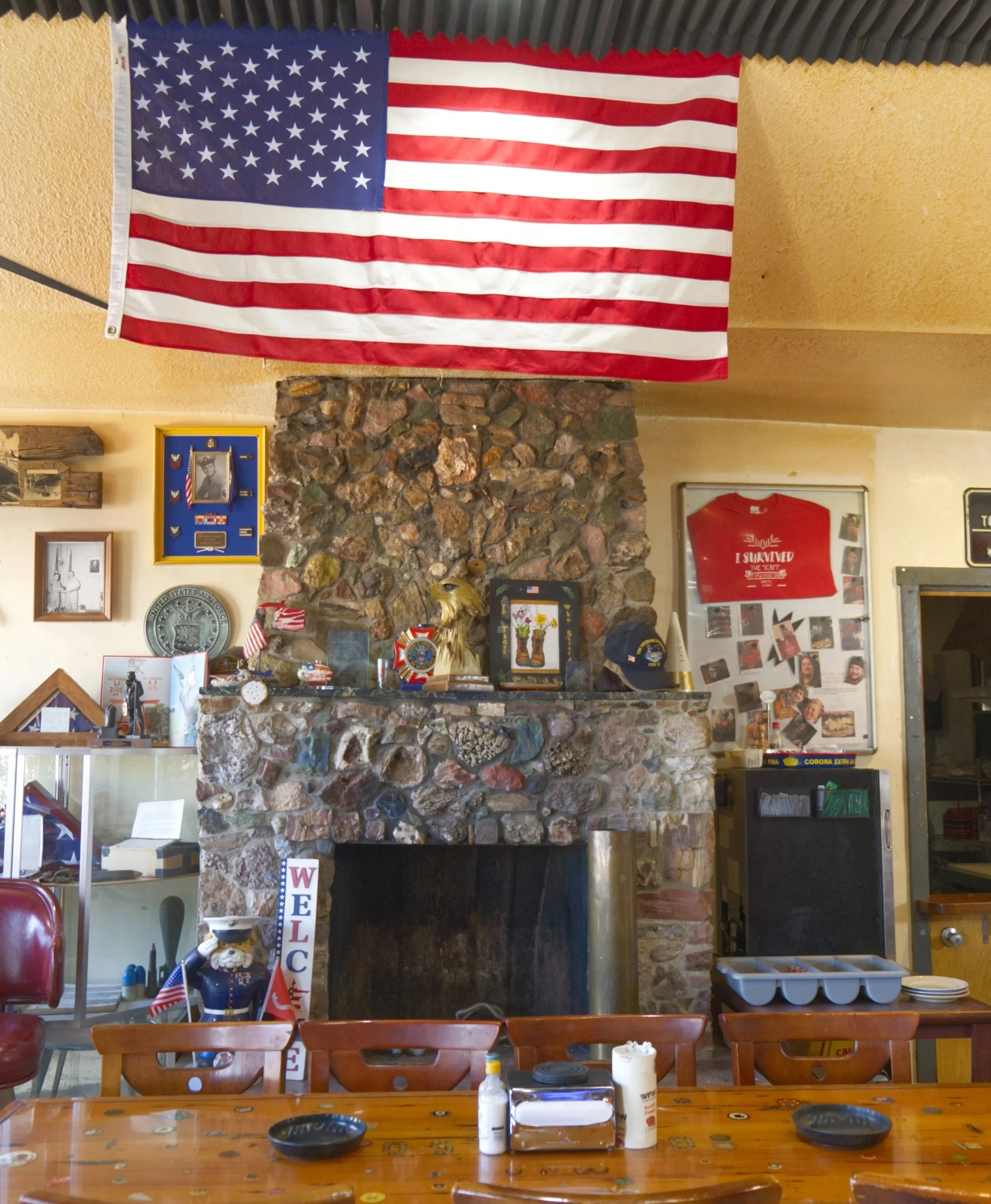
I discovered an eating place called the VFW (Veterans of Foreign Wars). Set up specifically for VETs, they now accept tourists. Talk around the bar was largely about the practical hardships of life - mending trucks was high on the agenda. They all sounded like expert mechanics, which I suppose they had to be.
As usual in Nevada, I was only ever treated kindly, and most people were more than willing to tell me their stories while I ate their very good burger and fries.
Along with the usual collection of memorabilia, the Stars and Stripes was centre-stage, as it was wherever I went in Nevada.
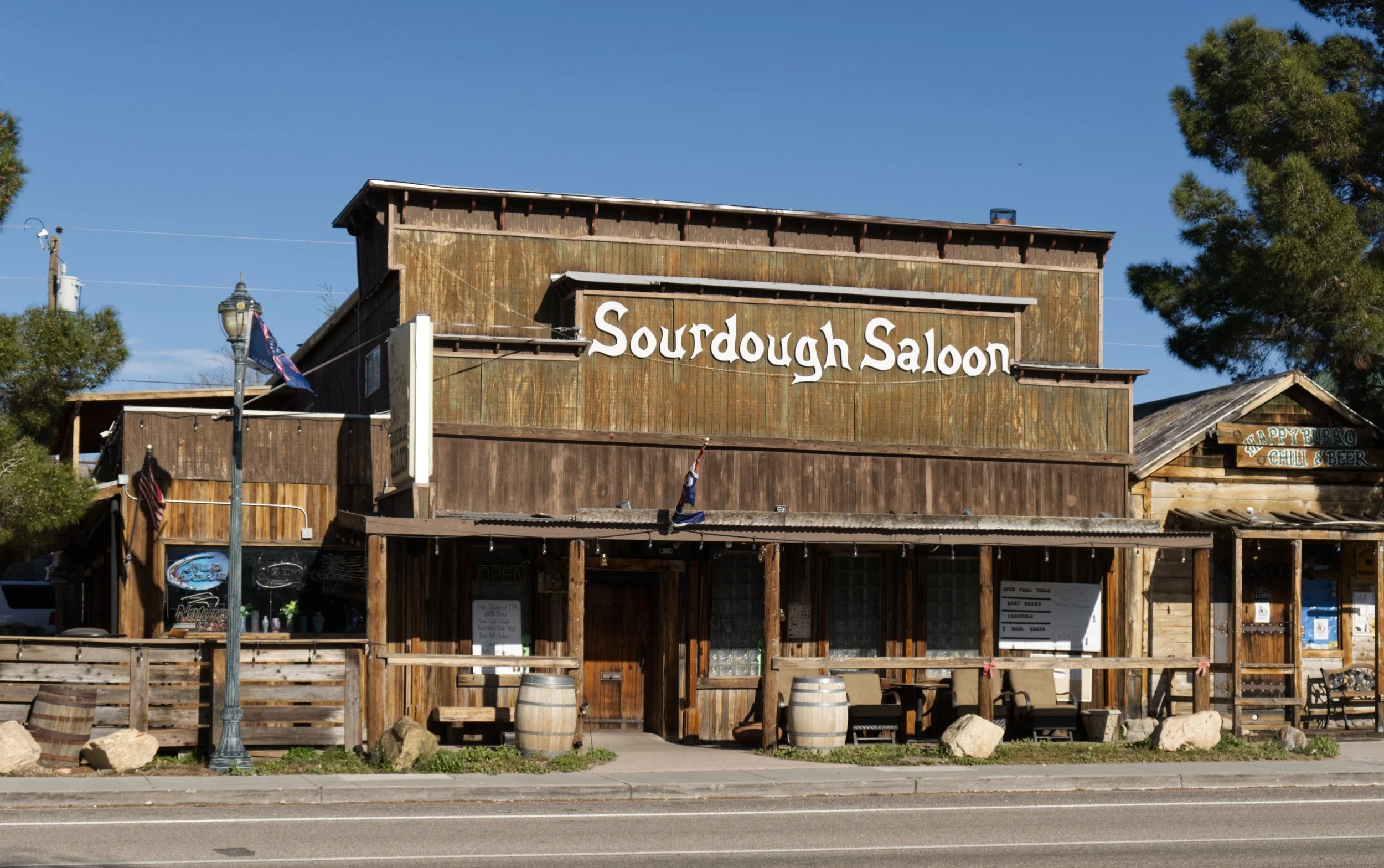
A couple of blocks down the road was the Sourdough Saloon. This was much more fun; Huck, the barman, told me about the saloon’s history, which stretched back to the turn of the century, apparently. Full of artifacts, including a working model railway above the bar, it was welcoming and made great pizza.
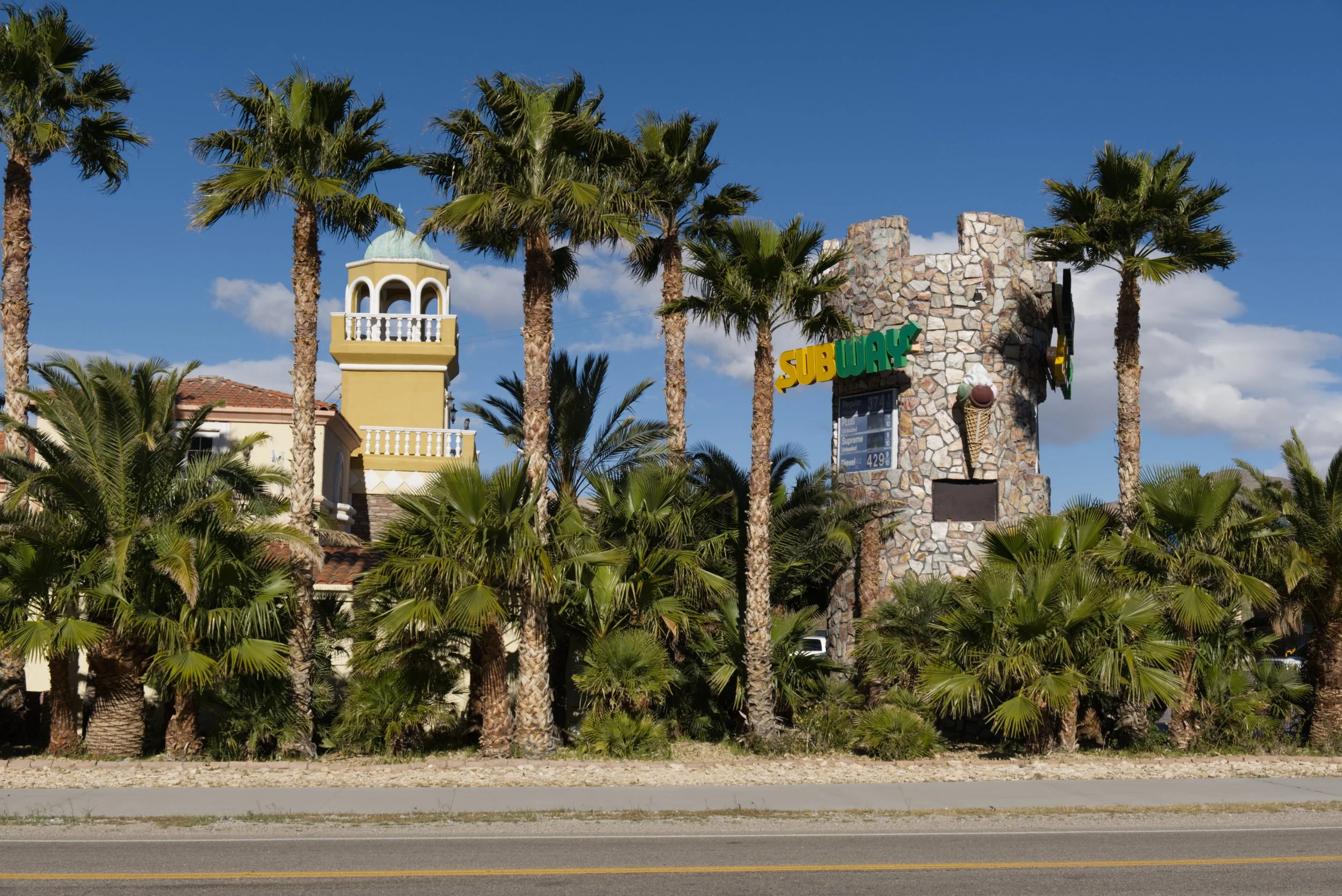
At the other end of the main street is Eddie’s World which was opened 2018 as a purpose-built roadside attraction for tourists going to and from Death Valley and Vegas. There was a superb ice cream concession which I used a couple of times. Modern eating establishments such as Denny’s and Subway were attached to the complex.
You couldn’t imagine a bigger contrast with the other end of the street.
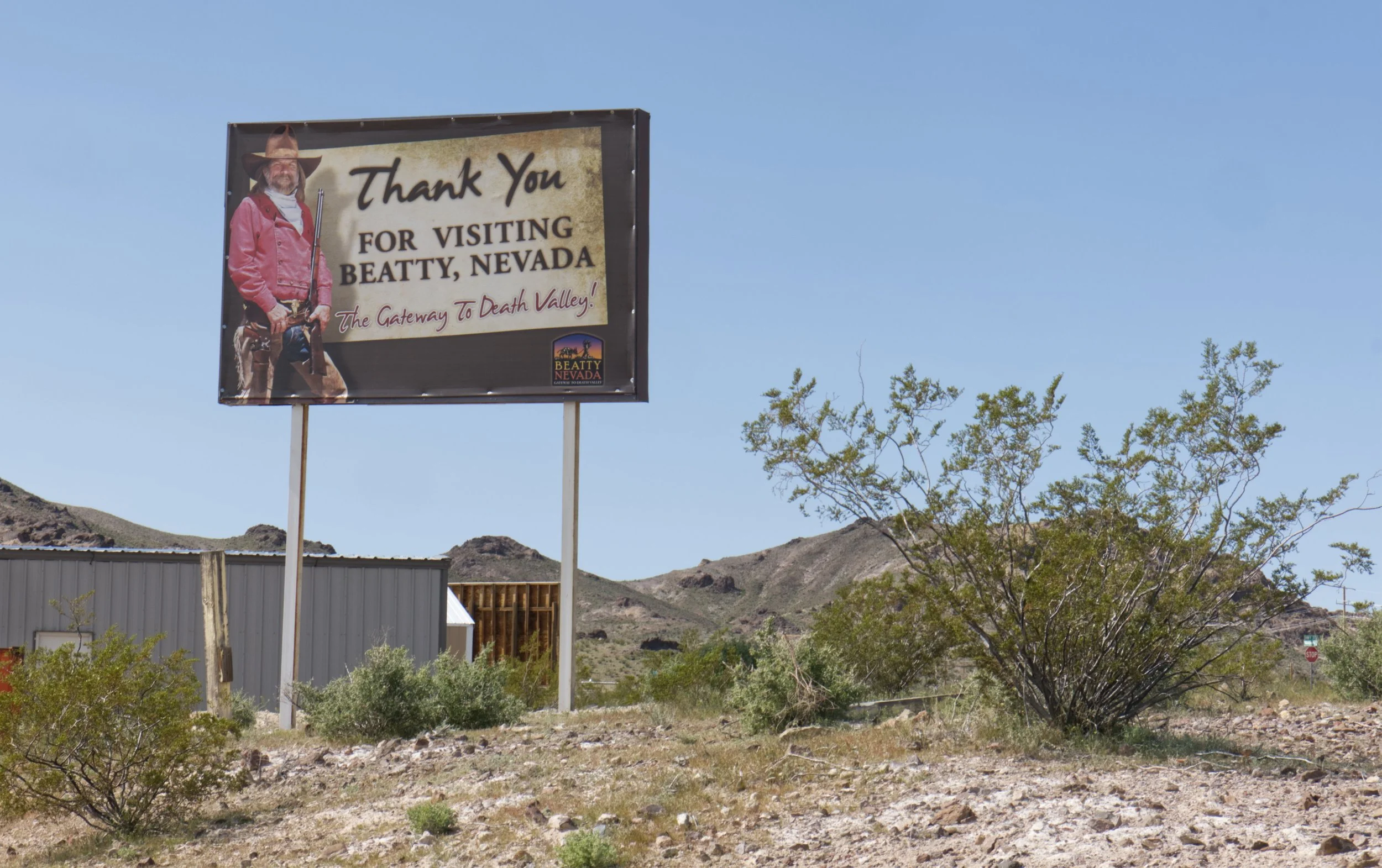
The locals that I spoke to view the town with some optimism with new gold mines planned now with new technology. My last visit to Beatty was as I left Death Valley on my way to Vegas via some interesting old mining towns which I’ll write about later.
Grassholm Gannets
Another boat trip from Martin’s Haven; but this time it took around 40 minutes to get to Grassholm which wasn’t visible from land. I wouldn’t say it was a great trip - costing £60 - as of course we couldn’t land on the island, just a quick trip around. The sky was full of these huge birds but I didn’t see any of them diving. To get up close, I’ll have to get up to Bass Rock - in the diary for next summer. And to see them diving, I think a special boat trip throwing fish overboard is the way to go. Nice to see all the puffins on the water.


Skomer Puffins
At last, I made it to Skomer! The weather can be a bit dodgy, so I booked two consecutive days, plus a round island boat trip to see the cliffs from a different view.
First day was exploring the island and the second focussing more on catching the Puffins flying in with fish. Takeaways – Puffins are small, fly very fast, and completely ignore humans. Occasionally, when landing with a beak full of sandeels, they’ll look a bit confused before dashing off to their burrow. At other times they seem to dive straight into their burrows. Sand eels are long, thin fish – many species – that grow up to 30 cm and congregate in large shoals, so it’s pretty easy for the puffins, who are great swimmers, to charge through them and collect a good beakfull.
Manx shearwaters sleep in their burrows during the day and feed at night. The island is covered in burrows, making it a challenge to avoid damaging them as they are right up to the narrow path around the island.
The sight of hundreds of birds – puffins, razorbills and guillemots – flying out from the cliffs and returning with food, is spectacular.
If I go again, I’ll try to get some more shots of the puffins flying, but it’s really difficult due to their speed, and they are very small. The image of the one I got, below, was very heavily cropped. A testament to my XT5 and 150-600 lens.


My new microscope!
Taking ‘Adventures in Seeing’ to literally a new level. I purchased this microscope from Brunel Microscopes - a company started by a neighbour a long, long time ago (he’s 93 now).
I want to create art (whatever that is), so am starting with crystals from a variety of chemicals. You can see the results in my micro-minerals gallery. My studio space looks like a laboratory - reminds me of many years messing with test-tubes and nastier chemicals than I’m using here.
To date, the most successful have been copper sulphate, citric acid, vitamin C, urea and paracetamol crystallised either from water or ethanol. I’m planning on getting crystals of natural dyes next - watch this space!

Morcambe Bay
I’m reminded of the episode of Father Ted in which Ted tries to explain perspective to Dougal, “…these (model cows) are very small, but those outside aren’t small - they’re just faaar away.”
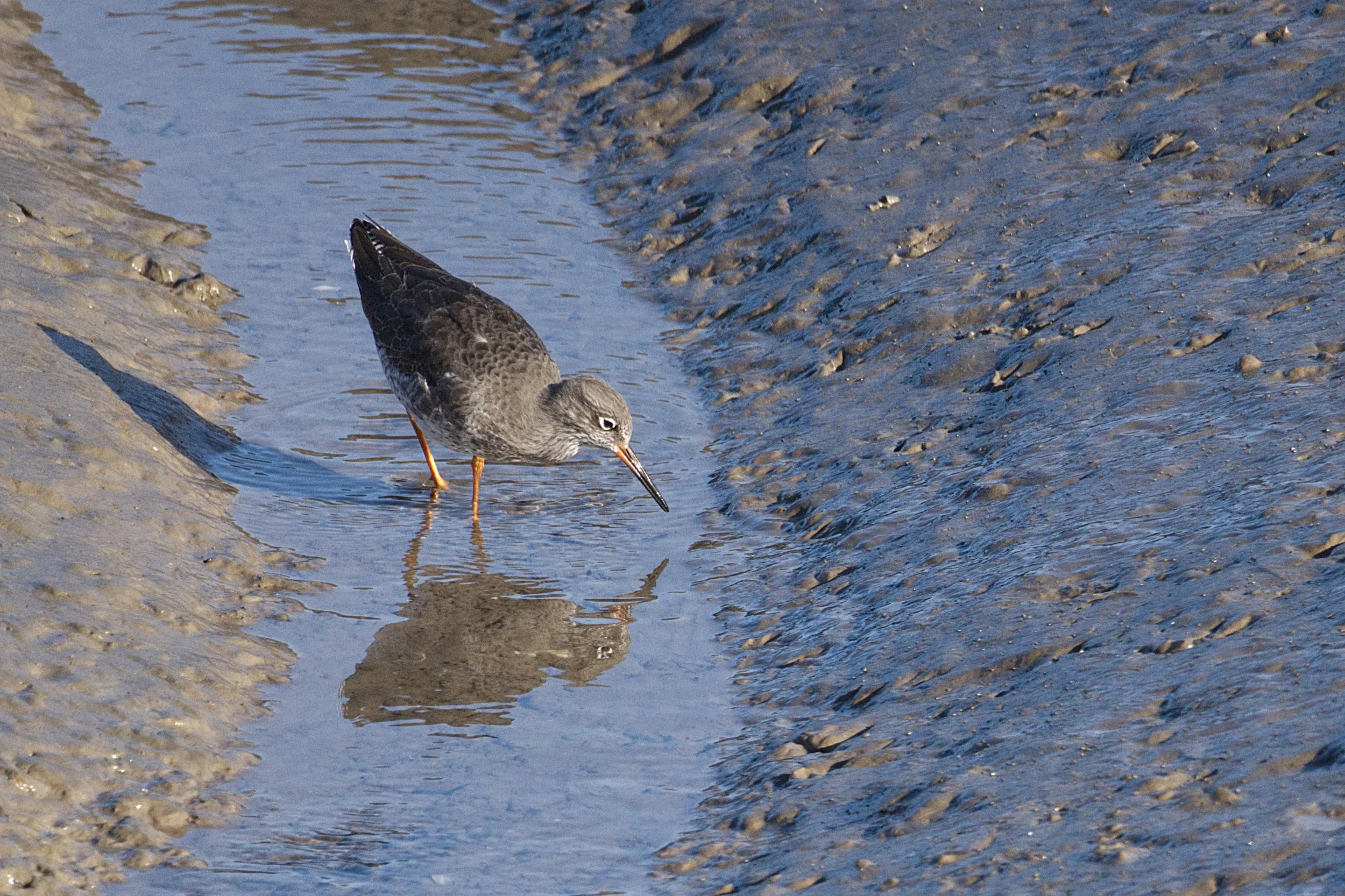
I’m reminded of the episode of Father Ted in which Ted tries to explain perspective to Dougal, “…these (model cows) are very small, but those outside aren’t small - they’re just faaar away.” I’ve just spent a week in Morcambe in the hope of getting some nice images of waders. But I didn’t realise just how small they were, and how infuriatingly far away they were. Morcambe Bay is HUGE. The sea goes out so far, you can’t see it - and that’s where many of the birds are. Yet another learning experience. Using my 600mm zoom on the XT5 I was able to get close enough, but the conditions were not right for anything artistic. My first experience really looking at these birds and seeing their behaiviour.


Learning from other photographers
“I’m just in love with making movies. I’m not very fond of movies; I don’t go to them much. I think it’s very harmful for movie makers to see movies because you either imitate them or worry about not imitating them. You should make movies innocently, the way Adam named the animals on the first day in the garden.
I lose my innocence; every time I see a film, I lose something, I don’t gain. I never understand what directors mean when they compliment me, young directors, and say they’ve learned from my films. I don’t believe in learning from other people’s films. You should learn from your own interior vision and discover, as I say, innocently, as though there had never been D.W. Griffith, Eisenstein, Ford, Renoir, or anybody…
Orson Wells
Might this apply to photographers too? Can you imagine being a photographer and not studying other photographers? Going out in the world and imagining that I’ve never seen another’s images - what do I photograph? And why?
True, Orson Wells and his contemporaries had far fewer films to give him inspiration, and these days creative people are often asked, “What, or who, inspires you?” I have a book, Free Play - Improvisation in Life and Art, by Stephen Nachmanovitch, which might shed more light on this. I’ll write a review when I’ve finished reading it.
Europe #24: A final adventure!
May 1 – A final adventure
Time to go home! I could have gone to the alps, but it would have been very expensive, and I’m getting rather sore in a few important places. So, what could be simpler than returning the same way that I came – Nice, Marseille, Paris, Caen, ferry to Portsmouth and train straight to Bristol. Here’s what happened.
The plan was to stay overnight in Marseille, then catch trains to Caen via Paris. I had a feeling that the place in Marseille might be a bit iffy, and I was right. The room was shared and I had to leave my bike on the street. So I walked away (yes, I had paid for it) and bought a kebab to aid my thinking. Downtown Marseille is very busy and a bit ‘edgy’. So I decided to spend the night just cycling around. When the train station closed at 12.30am, I cycled down to the port. I was expecting it to be rather dirty and uninteresting, but I was in for a surprise. The first area was very quiet; people were sitting by the water, some fishing, some smoking, some playing music. Really lovely! I stayed there for an hour or so and set off for a huge marina. It was surrounded by clubs, bars, people having fun. I wandered around there until about 3.30 when it quietened down. For another hour, I explored the northern docklands before going back to the station which opened at 4.30. The photos were taken on my phone as I wandered around. I chatted with a young Chinese guy, an engineer, for a while who, when I told him my age, looked concerned and told me that I must keep warm. Sweet. I caught my train at 7.30.
After changing at Lyon, I arrived in Paris 10 minutes late. I had to get across Paris to the other station to get my train to Caen and I thought I was just in time, but couldn’t find any evidence of my train. I eventually found that the station is divided in two, and my train was in the other half. I missed it by a few minutes. This was critical, as I had to reach the ferry outside Caen which left at 11.30pm. I was lucky to catch another train that got into Caen with enough time for me to belt along the cyclpath for the 16 km to the ferry port. They let me on. Phew! So now I could relax, I thought.
Ferries have a central atrium with stairs in the middle and all the corridors leading off. As I sat down with all my bags, the space was invaded by, so I was told, over 250 feral French teenagers. There didn’t seem to be anyone in charge. They ran around, apparently aimlessly, screaming and shouting, for the next two hours, and slightly less so until around 3pm. I should have taken videos; I did not sleep. I feel energy seeping away now just thinking about it.
The crossing took over eight hours and I cycled half awake to the station and my train to Bristol. I had to haul my bike down and up stairs because the lifts were not working, which resulted in a very sore elbow, which is going to take a while to heal. But all’s well that ends well, and it did end well. Nice to see the blue skies of Bedminster.
Europe #23: Palazzo Madama
April 17 – Palazzo Madama
The Palazzo Madama was the first Senate of the Kingdom of Italy, and takes its name from the embellishments it received under two queens (madama) of the House of Savoy.
Inside is the Turin City Museum of Ancient Art, which is really a large collection of paintings, statues, church ornaments, porcelain, and decorative art, mostly from the late Middle Ages to the 18th century.
There are a number of floors – the first contains information about the history of the palace. You walk on a glass floor with ruins underneath.
Then there are all the sculptures, artworks and decorated rooms.
For the video, click on the title at top left - Madama glass floor.
Europe #22: Turin motor museum
April 16 – Turin Auto Museum
Turin (Torino) is famed for manufacturing cars, including Fiat Lancia, Alfa Romeo and Maserati. The most common car on the road is the Fiat Panda. The Auto museum is enormous and includes the early steam-driven tricycles all the way to eco-cars and formula 1. This is what the blurb on the Museum’s website says:
“The MAUTO – Turin Automobile Museum boasts one of the rarest and most interesting collections of its kind, with over 200 original cars from 80 brands from all over the world. The oldest nucleus of the collection is linked to the story of its founder, Carlo Biscaretti di Ruffia, who gathered cars, chassis and engines with enthusiasm and determination.”
The collection is over three floors and is quite exhaustingly huge. Wonderfully curated. Click the green link above for my collection of photos.
Europe #21: Turin
April 10 – Turin at night
On the South East side of the river Po, there are hills from where iconic images of Turin, especially at night, are taken. So, up I went. The video was taken earlier in the day. After taking the iconic shot, with the Piazza Vittorio Veneto just across the river and the Alps in the background, I cycled slowly through the old town snapping the illuminated buildings. I love cities at night and Turin is spectacular.


April 13 – The colonnades
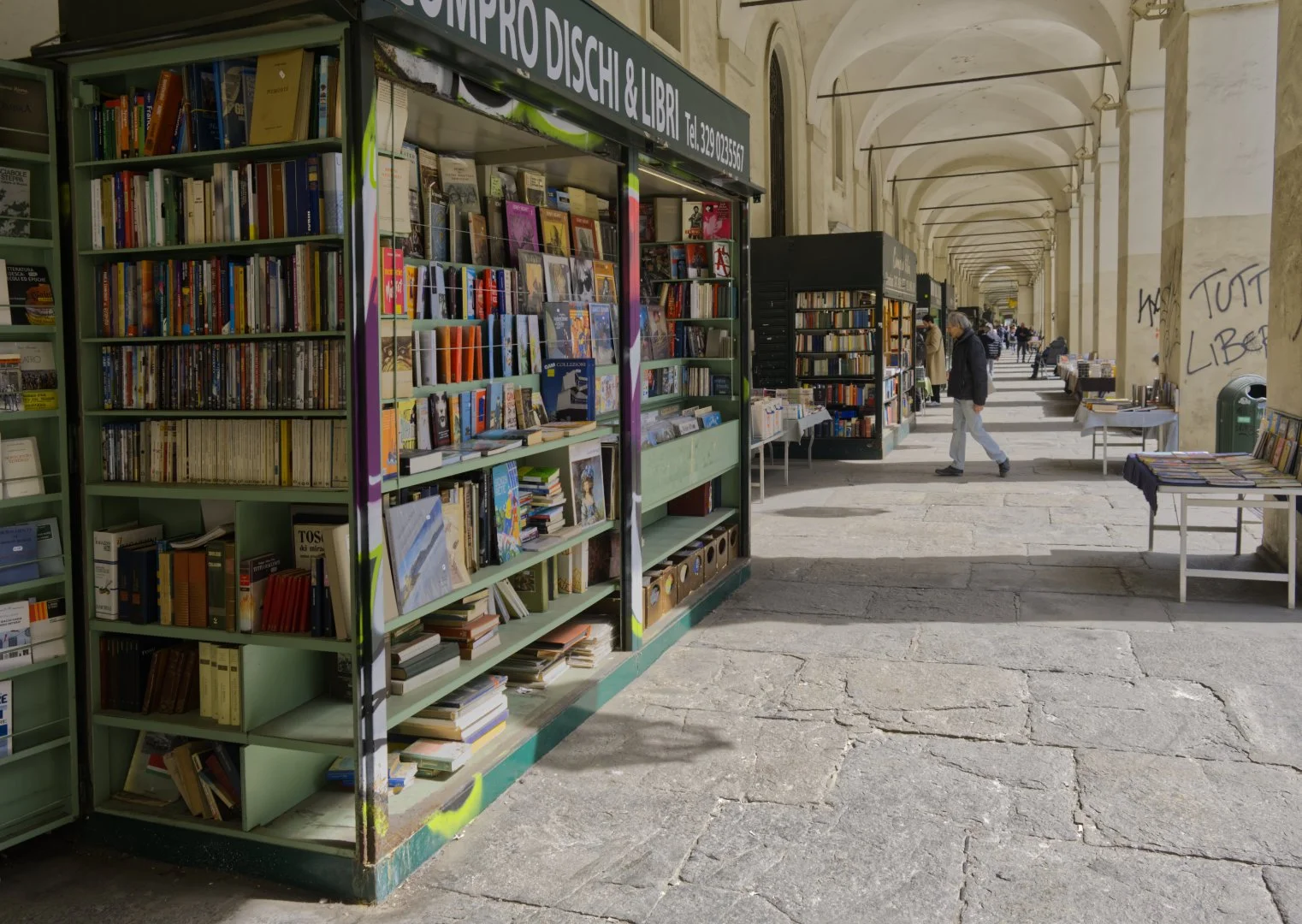
Wandering along the colonnades is one of the joys of being in Turin. They were designed to connect the royal residences and keep royalty dry in the rare wet weather. They tend to have themes – one (Via Po) is full of second-hand book stalls and antiquities as far as the eye can see. Others house cafes and chocolate shops and others very posh stores selling the latest fashions. No Marks and Sparks.
I asked Chat-GPT to give me a history of the colonnades, and this is what it came up with:
The colonnades in Turin, Italy are a defining feature of the city’s urban landscape. The history of the colonnades can be traced back to the 17th century, when the House of Savoy began to transform Turin into a grandiose capital city.
The House of Savoy, a noble family that ruled over the region of Piedmont in Italy, sought to create a city that reflected their power and wealth. To this end, they commissioned a number of architects to design public spaces and buildings that would be both grand and functional.
One of the most notable features of these designs was the use of colonnades, which were long, covered walkways that provided shelter from the elements and created an elegant, uniform appearance in the city’s streets.
The first colonnade in Turin was built in the mid-17th century on Via Po, a major thoroughfare in the city. This was followed by the construction of additional colonnades in the years that followed, including those on Via Roma and Piazza San Carlo.
Over time, the colonnades became an integral part of Turin’s urban identity, and they continue to be a popular feature of the city today. Many of the colonnades have been preserved or restored over the years, and they serve as a reminder of Turin’s rich history and architectural heritage.



Europe #20: First night in Turin
April 3 First night in Turin – in A&E
The first thing I wanted to do after checking in to the flat was to get some food. I was in luck! Lidl had just opened a superstore just across the road so I went for a look. It was astonishing – luxury foods as well as the usual Lidl layout. It was packed. I stocked up, including a large bottle of diet coke. I settled in and had some food and drank quite a lot of the coke. Shortly afterwards I felt a sharp pain in my gut – as if somethihng were blocked. The pain didn’t go away or change in any way for the next few hours, which was strange. I don’t like to take chances with my gut, and the pain was bad, so at around 1.30am I got up, crept out of the flat, and made my way to the nearest hospital – about fifteen minutes walk away.
During the next few hours I was given three different pain-reducing drips, a comprehensive blood analysis and a couple of X-rays. Evetually the results came back, confirming what I had thought – gas had got stuck in the colon, causing the pain. The fizz from the Coke must have gone down, rather than up. The doctor then printed out a four-page document describing in fine detail what had happened – the blood analysis results, drugs given, advice on what to do next and a timeline of who had attended me and what they had done. Quite amazing. They said “good night” and I walked home. The last dose of Tramadol had reduced the pain and I went to bed at around 6am. In the morning I took carbon tablets to absorb the remaining gas.
Europe #19: Naples to Turin via Pisa
April 2 – From Naples to Turin
It would have been a nice cycle, but at 600 miles, I decided to go by train, stopping off at Pisa on the way.

I thought I could stay at a cheap hotel in Pisa, as I had done before, but there were non available, so I had to go for an airbnb out in the country. Due to awkward connections I got to Pisa at around 8pm. Nice to watch the sun setting from the train though. As I rode through Pisa, I must have taken a wrong turning and, to my surprise, I passed the leaning tower. It was a bit surreal in the dark with just a few people wandering around. Then off into the countryside to my airbnb which was in what looked like a converted castle.
I left very early in the morning and detoured to the tower to see it before sunrise. I was on my own there.
My journey to Turin involved a transfer in Genoa with an eighty minute wait. But I didn’t realise that there are three stations in Genoa and I arrived at one and had to get to another for the train to Turin. Surely eighty minutes would be enough? Getting through Genoa centre was a nightmare; google maps sent me on impassable routes and locals couldn’t give me proper directions. In the end, I followed my nose and found the station. After hauling my bike up and down stairs I got to the platform two minutes late. Lukily, the train was two minutes late and I got on by the skin of my teeth. Very stressful. This was the only time out of the over twenty trains I’ve caught that one has been just a little bit late.
I had plenty of time in Turin before checking in to my airbnb with host Gianfranco. Basically I’m lodging there with my own room and bathroom, sharing the rest of the flat with him and his rediculously fat cat. He’s an advertising photographer and extremely helpful, so I’ll have a good time here.
Europe #18: Napoli!
March 25 – To Napoli
Easy ferry crossing took 7 hours to Brindisi. There I had a nice airbnb and in the morning four trains to Napoli (to make bike carrying easier than on the high-speed trains). I didn’t have accommodation booked, so I went to tourist information at the station and they found me a hotel nearby that they said was cheap and decent. 500 euros for 6 nights – yikes. Apparently it was the last room they had, and I wasn’t surprised. The furniture was broken or damaged, curtains falling off, not good. The manager was not around, so I went back to the information place and told them. They obviously called the hotel becuase in the morning, they moved me to a nicer room.
In the morning I went to the local church, which didn’t seem too impressive until I went inside. Photos should speak for themselves!


March 27 – Cathedral of St John the Baptist
Naples is ‘busy’, some say chaotic, but people know what they’re doing – they just do it faster and closer together. I’ll post some videos later to show what I mean. In the meantime, I went to the main cathedral, the Duoma, officially known as the Cathedral of St. John the Baptist and the seat of the Archbishop of Turin. Spectacular. The Turin Shroud is somewhere in there, but I didn’t see it. Like in many of the lesser churches, there are confessional booths which are often occupied. From what I’m learning about the local mafia, I’m not surprised.


March 28 – the narrow streets
Naples is famed for its narrow busy streets. Cars, scooters and bikes race up and down. There are usually no pavements, so it’s a bit of a free-for-all. Of course, there are main streets which look just like any other major city, but they are not as interesting.
In the part near where I stayed, with its narrow streets, and in the Spanish Quarter, the local mafia (Camorra) are more or less in charge. They are involved in a wide range of criminal activities, including drug trafficking, extortion, money laundering, illegal gambling, and arms trafficking. It is said that around 20% of the local economy is controlled by them.
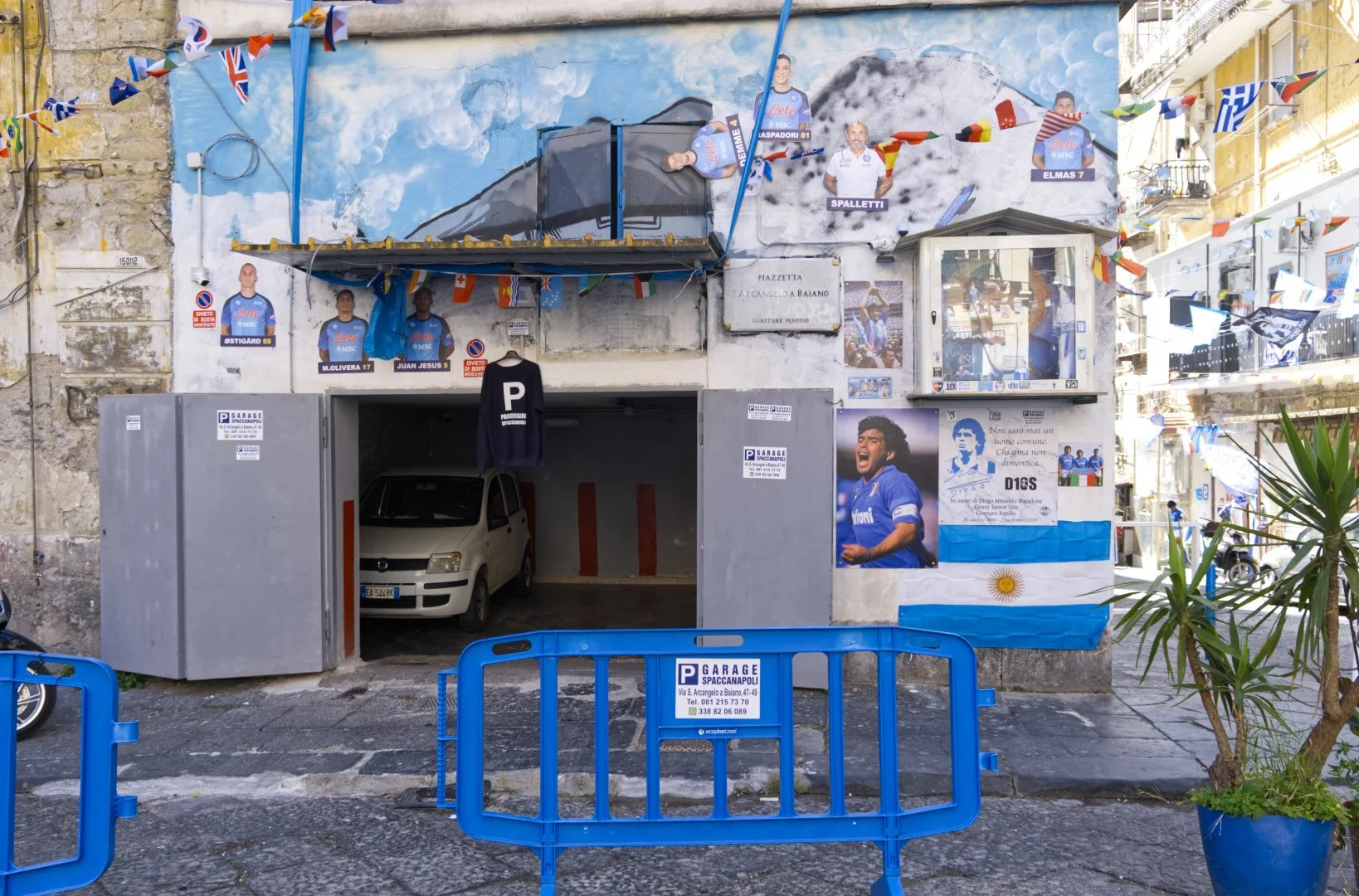
Napoli are close to clinching the Italian football championship, and the town, especially the old town with its narrow streets and chaos, is celebrating. There are shrines to Maradona, who played for Napoli for a while and helped them to their last championship. He died three years ago, but there are almost as many images of him on the streets as of the Virgin Mary.



March 30 – Naples National Archaeological Museum
There is not much in the way of museums or art galleries in Naples and I wasn’t expecting too much from visiting the Archaeological Museum. But I was in for a pleasant surprise. I’m not particularly interested in Archchaeology, but I could have spent a couple of days there.
There were hundreds of statues and other sculptures, fascinating information about the development of the Byzantine empire, fantastic mosaics and a really impressive section on Pompei. Rather incongruently, there was also a spectactular section comemorating the musician Lucio Dalla who had a very close connection with the city.
Brilliantly curated, annotated and organised. Worth dropping into Naples just to see it.


Europe #17: Leaving Saranda
March 24 – Leaving Saranda
The plan – cycle 65km to Greece and catch ferry to Italy. No steep hills this time! Had to cross a river on a wooden cable ferry, which was fun. On the other side I met a group of bikers from the Czech republic (I think) and we had a good chat about our respective plans and misadventures. Then I got attacked by a dog. There are loads of abandoned, basically wild, dogs in this part of the world and this raced across the road and hit the rear of the bike knocking one of my rear panniers off (they are well secured). It was an incredible impact. A local guy helped me while the dog disappeared. It may have been badly hurt, or worse. There’s a row of teeth marks in my paniers - an inch away from my leg. At the border with Greece I was warned about dogs.
I found my room in the town of Igoumenitsa and got ready for a couple of teaching sessions. Afterwords, I was told that there would be music and a parade. Apparently this was an annual celebration. At around 9pm there was a marching band made up of locals including young children.
Tomorrow – Italy!


Europe #16: Saranda
March 5 – Water and Electricity supplies

What are the electricity and water supplies like here? Well, power cuts are not uncommon – we had two in Durres and a two hour one here in Saranda last week, which is really long.
As for water, the water meters and the equivalent of our stop-cocks are located in the street, open for anyone to tamper with them – see this photo of the meters in our block of flats. Yesterday there was no water, nor this morning. I contacted the airbnb host and she said that kids sometimes fiddle with the taps – it seems like a common occurance that people just put up with. If there’s no water, you go out and turn it on again. So I did and it’s now fine. Just one of those Albanian things!
March 7 – a walk along the seafront.
Saranda has a long seafront, around half of it accessible to the public, so I had a wander. Here are a few snaps. All very typical of Albanian resorts.


March 11 – Museum of Tradition
Saranda has no theatre or cinema. You really have to go to the capital, Tirana, for that. There is one museum and art gallery squeezed into a tiny building on the Saranda seafront. The museum is devoted to Albanian history and tradition and the art is by local artists. It would be really interesting, but there are no descriptions or captions in English. Here are some photos that might give you a flavour.


March 13 – A view from Lëkursi Castle
Climbed up to Lëkursi Castle this morning – Saranda to the North, Mountains to the east and the Greek islands to the south and west. Intense blue sky, no wind.
The castle was built in 1537 by Sultan Suleiman the Magnificent of the Ottoman Empire. It’s now a ruin containing a restaurant that gets very busy with people coming to see the sunsets. I would like to come back in the evening, but it’s so steep, and I’ve had enough of steep hills for the time being.


Europe #15: Aftermath
February 28 – aftermath
My journey from Vlore to Saranda was a bit of a challenge. Physically, I seem to have come out of it remarkably well, which is encouraging. But it left me wondering if I ever wanted to do another long bike journey. I’ve always identified myself as being a bike person, and I was thinking whether that would end. Now I’m clearer about my physical and mental limits and will make better decisions about what I take on. I may, or may not, go to the alps. I may decide to do something quite different, like visit the major art and photo galleries around Europe instead. I have three weeks here in Saranda to let those thoughts gel. Saranda seems to be a bit boring – I may even leave early. I do miss museums, art galleries and other cultural stuff – there’s almost nothing here. So, I’ll enjoy the good weather and cheap rent for a while before moving on. No photos this time – I’ll do a bit of exploring over the next few days.